
 简体中文
简体中文 Русский
 لالعربية
 Bahasa Melayu
 Tiếng Việt
 Bahasa Indonesia
 Українська
 Español
 Deutsch
 Français
 رسی
رسی ไทย
ไทย Português
 Nederlands
 Türkçe
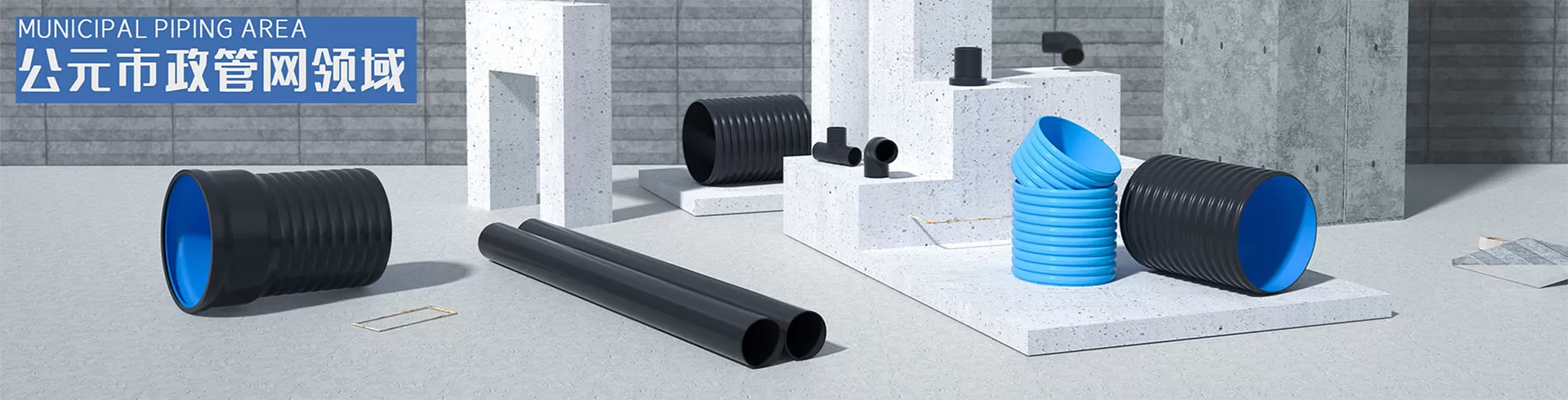
.jpg "Farmland water conservancy and drainage, wear-resistant wound carat tubethe1page")
In farmland water conservancy construction, the smoothness of the drainage system is directly related to crop growth and land yield efficiency. Selecting a pipe with both wear resistance and hydraulic characteristics is the basis for ensuring the long-term operation of the project. Winding structural wall pipes, often referred to as carat pipes, have shown good applicability in the field of farmland drainage due to their unique molding process.
This type of pipe is made of high-density polyethylene raw material and is made by thermal winding process. Its structural feature is the design of hollow spiral reinforcing ribs on the pipe wall, which not only reduces the weight of the pipe, but also significantly improves the ring stiffness. For the farmland drainage environment, the fine sand and gravel in the soil and the continuous water flow initialize are the main tests on the inner wall of the pipeline. The inner wall of the wear-resistant carat pipe is smooth and flat, and the Manning coefficient is low, which can effectively reduce the water flow resistance and improve the drainage efficiency. At the same time, the wear resistance of the raw material itself can resist the long-term scraping of sediment particles and reduce the risk of wear on the inner wall.
From the perspective of construction and maintenance, the pipe connection method is flexible, usually using socket-type electrofusion connection or throttle socket connection, which ensures the sealing reliability of the interface and prevents groundwater infiltration and sewage exfiltration. The pipe has good flexibility, can adapt to a certain degree of soil settlement, and avoids rigid fracture. In farmland drainage, irrigation backwater, and dark pipe drainage systems, wear-resistant wound carat pipes have become the preferred alternative to traditional pipes due to their comprehensive properties of corrosion resistance, wear resistance, and good hydraulic characteristics. Reasonable selection and standard laying will help farmland water conservancy facilities achieve long-term stable operation and provide solid support for water-saving irrigation and soil improvement.


