
 简体中文
简体中文 Русский
 لالعربية
 Bahasa Melayu
 Tiếng Việt
 Bahasa Indonesia
 Українська
 Español
 Deutsch
 Français
 رسی
رسی ไทย
ไทย Português
 Nederlands
 Türkçe
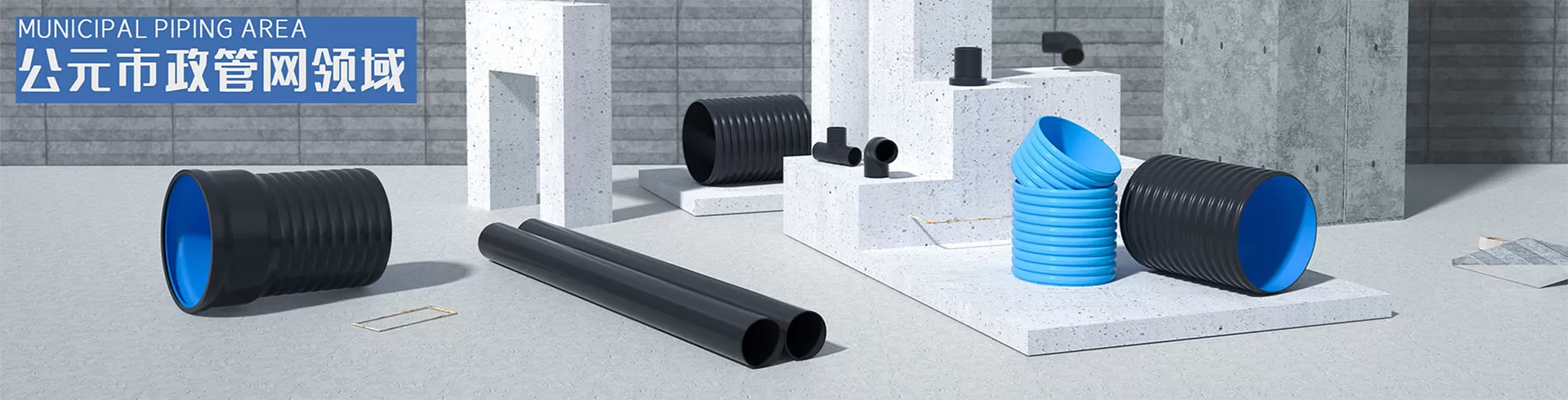

Fire water supply PE pipes are high-density polyethylene pipes specially developed for fire water supply scenarios, and are widely used in fire engineering and water supply infrastructure projects in Hubei. This type of pipeline uses high-density polyethylene as the main raw material and is produced in accordance with the national water supply pipeline and fire protection related product standards. The pipe wall thickness and pressure bearing capacity meet the conventional pressure requirements of fire water supply systems. It is suitable for burial, overhead and other laying methods. It is a new type of fire water supply pipeline material that replaces traditional cast iron pipes and galvanized steel pipes.
core selling point
#Weather resistance and wear resistance are stable
In view of the subtropical monsoon climate in Hubei, the climatic characteristics of high temperature and humidity in summer and low temperature freezing damage in winter, the PE pipe for fire water supply can maintain stable mechanical properties at the ambient temperature of -20 ° C to 60 ° C, and will not cause brittle cracking and deformation problems due to sudden temperature changes. The pipe itself has excellent corrosion resistance. It does not need additional anti-corrosion treatment when buried in the ground. It can withstand the erosion of acid and alkali components of soil in most areas of Hubei. At the same time, it has strong impact resistance and can withstand the pressure fluctuations caused by the instantaneous pressure of the fire water supply system. It is not easy to cause pipe bursting and leakage problems.
#Smooth inner wall with high water supply efficiency
Fire water supply PE pipe production adopts extrusion molding process, the inner wall smoothness is much higher than that of traditional metal pipes, the roughness coefficient is only 0.009, and it will not scale or breed microorganisms during long-term use. The cross-section will not shrink due to the growth of service life. The water transmission efficiency under the same pipe diameter is about 20% higher than that of traditional galvanized steel pipes, which can effectively reduce the pressure loss along the fire water supply and ensure that the fire water pressure at the end of the pipe network meets the design requirements.
#Easy installation and high construction efficiency
The density of PE pipes for fire water supply is only 1/8 of that of steel pipes, and the weight of pipes of the same length is much lower than that of traditional metal pipes. The transportation and handling costs are low, and the laying can be completed without large lifting equipment during the construction process. The pipeline connection adopts the hot melt docking process. After the interface is melted, it forms a complete integration with the pipe itself, and the airtightness is excellent. There will be no interface leakage problem. The length of a single pipe can be customized on demand, reducing the number of interfaces, which can greatly shorten the construction period and adapt to the needs of various fire infrastructure projects in Hubei.
#Long lifespan and low operation and maintenance cost
Under the premise of normal laying and standardized use, the service life of fire water supply PE pipes can reach 50 years, which is much higher than the conventional service life of traditional metal pipes of 15-20 years. The pipes themselves will not rust or corrode, and there is no need for regular anti-corrosion and rust removal treatment during daily operation and maintenance. Only water pressure tests can be carried out according to the routine inspection requirements of fire protection systems. The long-term operation and maintenance cost is only about 30% of that of traditional metal pipes, which can effectively reduce the investment cost of the whole life cycle of the project.
Applicable scenarios and suitable populations
In terms of applicable scenarios, this type of pipeline can cover various fire water supply related projects in Hubei: first, the construction and renovation projects of municipal public fire water supply pipe networks, which are suitable for the buried fire water supply system of urban main and secondary arterial roads; second, the outdoor fire water supply system of industrial parks, logistics parks, and commercial complexes, which can meet the needs of large flow and high pressure fire water supply; third, the outdoor fire buried pipe network of commercial residential quarters and affordable housing projects, which is suitable for the fire water supply requirements of residential areas; fourth, the township and rural fire water supply infrastructure building projects, which are suitable for the construction needs of the perfect fire protection system at the grassroots level; fifth, the temporary fire water supply system of various temporary construction sites can be reused.
The suitable population mainly includes municipal engineering construction management units, fire engineering professional construction enterprises, real estate development enterprises, various industrial park operation management parties, township infrastructure building authorities, and various production and operation entities that need to build their own fire water supply systems in Hubei.
Compliance statement
At present, the fire water supply PE pipes circulating in the market strictly implement the relevant standards of the national "Polyethylene (PE) Pipeline System for Water Supply", and at the same time meet the relevant quality requirements of fire protection products. Multiple quality inspection links are set up in the production process. Before each batch of products leaves the factory, they need to go through a number of indicators such as pressure strength, airtightness, and weather resistance. After passing the test, they can flow to the market. This type of product has been put into use in many municipal fire protection projects, commercial and residential projects in Hubei. The actual operation performance is stable, which can fully meet the needs of fire water supply under different working conditions, and provide reliable material support for the stable operation of fire water supply systems in various places. (The full text is about 1490 words)


