
 简体中文
简体中文 Русский
 لالعربية
 Bahasa Melayu
 Tiếng Việt
 Bahasa Indonesia
 Українська
 Español
 Deutsch
 Français
 رسی
رسی ไทย
ไทย Português
 Nederlands
 Türkçe
.jpg "Upgrading of municipal sewage pipe network, plastic pipes fit into urban construction planning in many placesthe1page")
With the acceleration of urbanization and the continuous growth of urban population, the original municipal sewage pipe network has gradually exposed problems such as aging, insufficient pipe diameter, and weak corrosion resistance, making it difficult to meet the sewage discharge needs of modern cities. To this end, many places have incorporated the upgrading of municipal sewage pipe networks into core urban construction plans, aiming to build an efficient, environmentally friendly and durable urban drainage and sewage system.
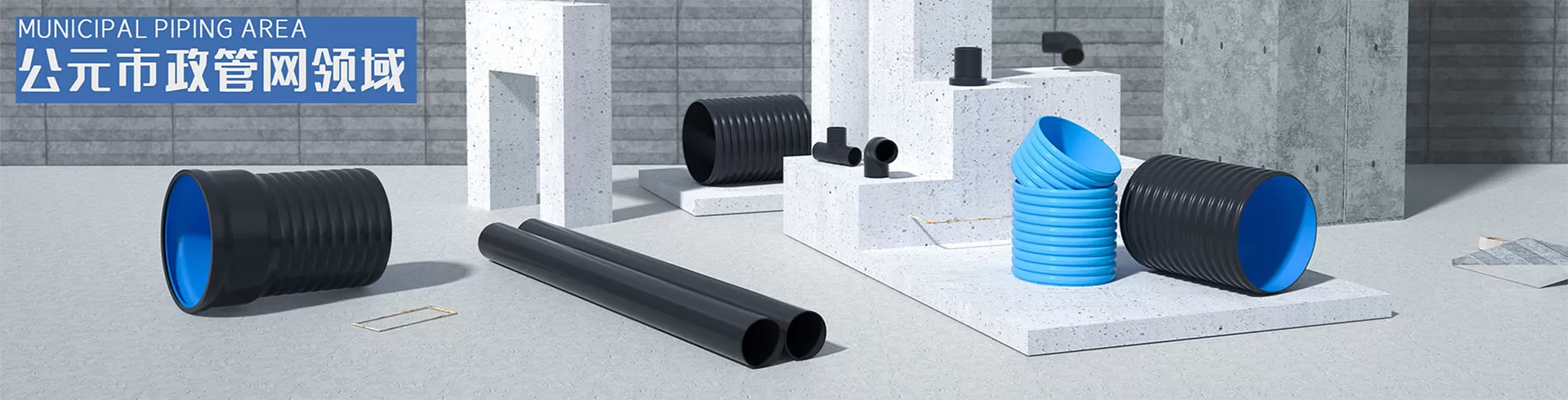
Plastic pipes have become an ideal choice for urban construction planning in many places due to their many adaptation characteristics. First of all, plastic pipes have excellent corrosion resistance, can resist the erosion of acid and alkali substances in sewage, effectively prolong the service life of the pipe network, reduce later maintenance costs, and meet the requirements of long-term efficiency in urban construction planning. Secondly, plastic pipes are lightweight and have low difficulty in installation and construction, which can greatly shorten the renovation period and adapt to the efficient pace of urban construction projects, especially in the narrow construction scenarios of old and old urban areas.
In addition, the inner wall of the plastic pipeline is smooth and the fluid resistance is small, which can improve the sewage discharge efficiency and avoid the accumulation of debris and blockage, which is in line with the core goal of improving the drainage and sewage discharge capacity in urban construction planning. At the same time, the plastic pipeline can be flexibly adjusted according to the geological conditions and sewage discharge needs of different regions. Whether it is the layout of the large-flow pipeline network in the rainy areas of the south or the frost resistance demand in the cold areas of the north, it can be accurately adapted to fit the different urban construction planning directions of various places.
At present, plastic pipes have been widely used in urban construction projects such as pipeline network construction in new urban areas and sewage system renovation in old residential areas to help upgrade urban infrastructure and lay a solid foundation for sustainable urban development.


