
 简体中文
 Русский
 لالعربية
 Bahasa Melayu
 Tiếng Việt
 Bahasa Indonesia
 Українська
 Español
 Deutsch
 Français
 رسی
 ไทย
 Português
 Nederlands
 Türkçe

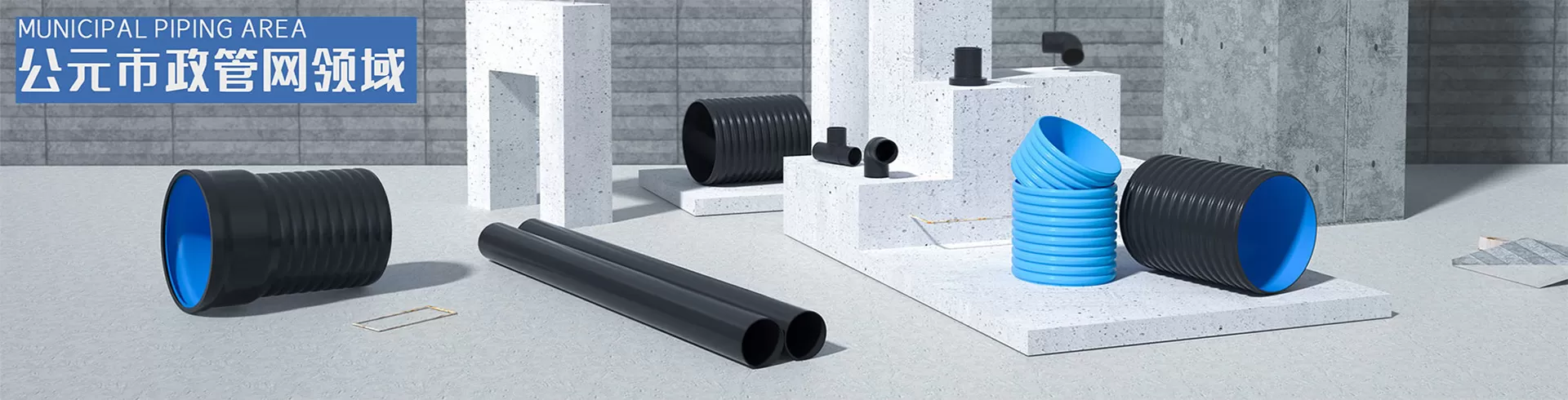
In modern engineering construction, large-diameter PE pipe is widely used because of its excellent performance. However, different engineering scenarios have different requirements for the compressive strength of pipelines. This article will explore the compressive strength grading of large-diameter PE pipe in depth and provide you with practical application scenarios adaptation guide.
The compressive strength grading of large diameter PE pipes is usually based on their material characteristics and structural design. Generally speaking, it can be divided into three grades: low, medium and high. PE pipes with low compressive strength are suitable for drainage systems with low pressure, such as rainwater drainage in residential areas. PE pipes with medium compressive strength can be used for general water supply projects, such as urban water supply pipe networks. PE pipes with high compressive strength are suitable for high pressure transportation scenarios, such as industrial piping systems.
When selecting large-diameter PE pipes, it is first necessary to clarify the specific needs of the project. For example, in municipal engineering, water supply pipelines need to consider water pressure and soil pressure, and PE pipes with corresponding compressive strength should be selected. In the industrial field, chemical pipelines may face higher pressure and corrosive media. At this time, PE pipes with high compressive strength and corrosion resistance are the first choice.
In addition, the construction environment is also an important factor. In areas with complex geological conditions, such as soft soil foundations, pipelines may be affected by uneven settlement, and PE pipes with good flexibility and compression resistance need to be selected. In cold regions, the impact of low temperature on the compression performance of pipelines should also be considered.
In conclusion, understanding the compressive strength grading of large-diameter PE pipes and making reasonable choices according to engineering application scenarios are the keys to ensuring engineering quality and safety. Through this guide, I hope to help you make more informed decisions in actual projects.


