
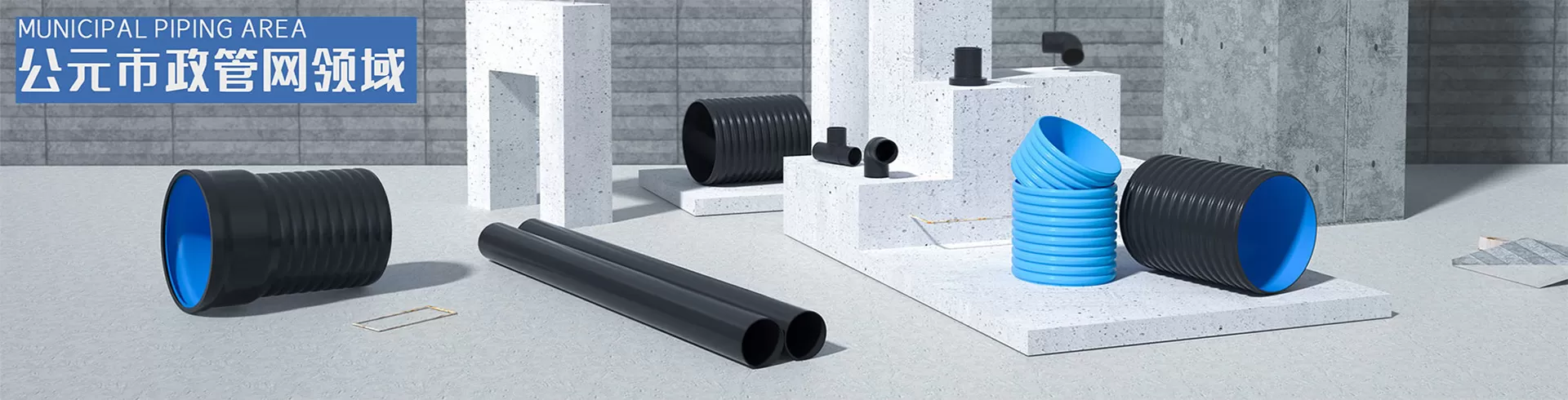
In water supply and drainage, gas transportation and other projects, large-diameter PE pipes are widely used. However, the problem of water leakage at the connection part may affect its normal use. When water leakage is found at the connection part of large-diameter PE pipes, stress testing is a key step. First close the relevant valves and conduct stress testing on the pipeline system. Slowly raise the pressure to the specified pressure value, stabilize the pressure for a period of time, and observe the pressure change. If the pressure drops significantly, combine with the appearance inspection to check whether there are traces of water leakage at the connection part and whether the sealing material is displaced. After determining the leakage point, repair the interface. If there is a problem with the sealing material, clean up the old material, replace the new suitable sealing material, and reconnect and tighten. If the pipe interface is damaged, according to the degree of damage, the small damage can be repaired after grinding; if the damage is serious, the damaged part needs to be removed, the new pipe section needs to be replaced, and the appropriate connection method (such as hot melt connection, etc.) is used to ensure that the connection is firm. After repair, stress testing is carried out again to ensure that there is no water leakage, so that the large-diameter PE pipe can return to normal working condition.


