
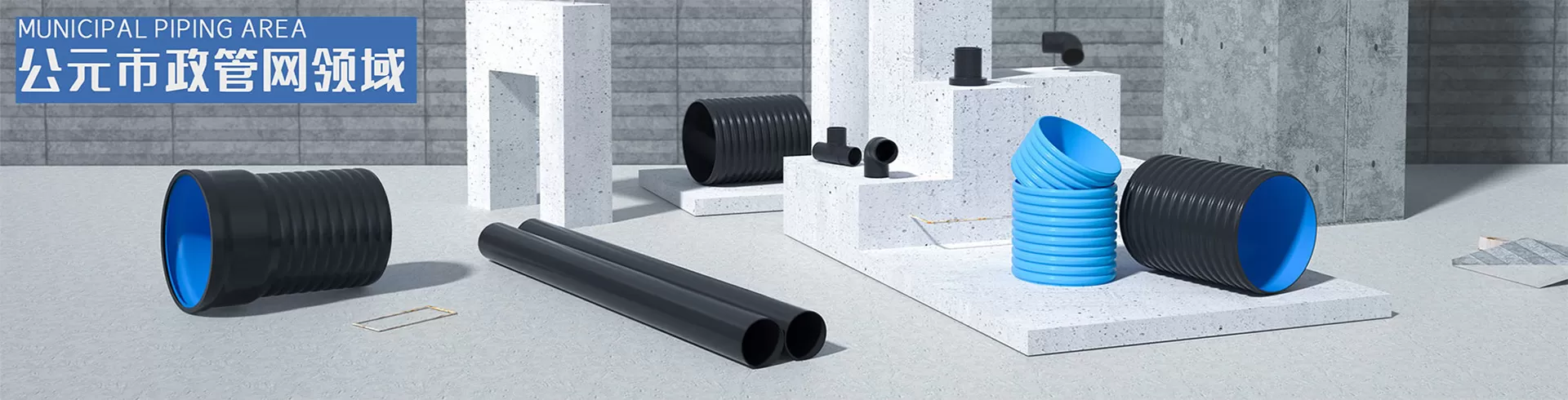

As a common plastic pipe, PE pipe is widely used in construction, municipal administration and other fields. Its standard construction process is crucial to ensure the use effect.
The first is the preliminary preparation. The construction personnel need to carefully check the quality of the pipe to ensure that there are no cracks, deformation and other problems. At the same time, prepare the required tools, such as pipe sawing machines, hot melt welding machines, etc.
Next is the measurement and cutting. According to the actual installation needs, accurately measure the length of the pipeline, and use a pipe saw to cut to ensure that the incision is flat.
Then there is the hot melt connection. This step requires strictly following the operating procedures, heating the pipe and fittings to a suitable temperature, quickly docking and maintaining a certain pressure to ensure a firm connection.
During the installation process, pay attention to the slope and direction of the pipeline to avoid water accumulation or blockage. For buried pipelines, trench treatment is required to ensure a stable foundation.
After the installation is completed, stress testing is carried out. By gradually boosting the pressure, check whether there is leakage in the pipeline to ensure the installation quality.
Finally, the acceptance process. Check the appearance of the pipeline, connection parts, etc., and confirm that it meets the relevant standards before it can be put into use.
The standard PE pipe construction process starts from the details and is strictly controlled at every step, providing a solid guarantee for the long-term stable use of the pipeline, allowing PE pipes to achieve the best results in various projects.


