
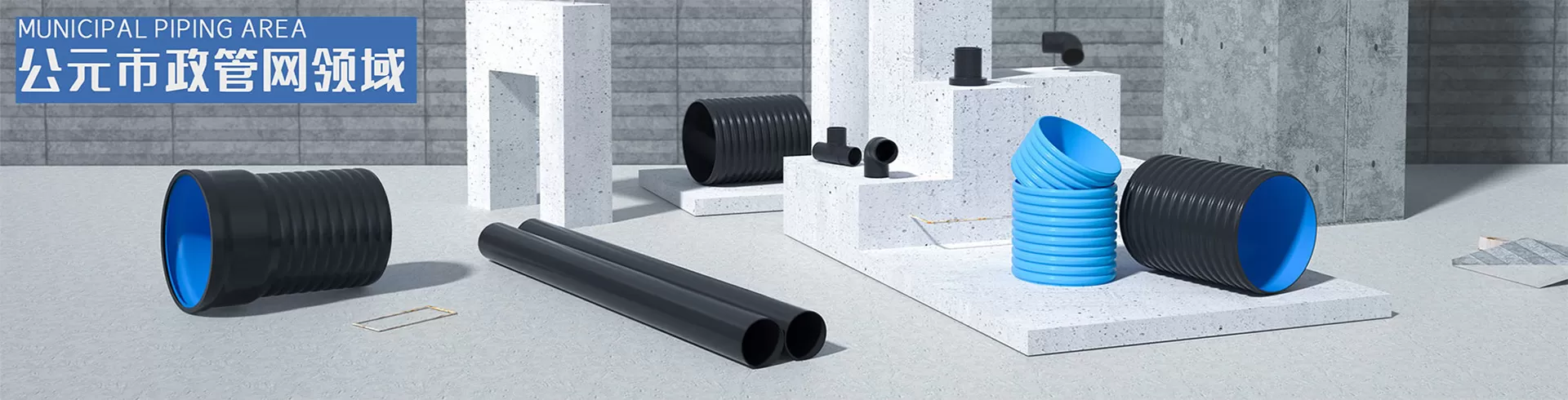

In the northern region, water pipelines face the test of severe cold. PE pipes have become the choice for water pipelines in the north due to their unique antifreeze structure principle. The antifreeze structure of PE pipes is mainly based on their material characteristics and design structure. From the material point of view, high-quality PE raw materials have good low temperature impact resistance, can still maintain a certain flexibility in cold environments, and are not easy to crack. In terms of structural design, its multi-layer composite structure enhances the thermal insulation performance. The outer layer may be coated with special cold resistance to reduce heat loss; the reasonable material ratio of the middle layer further enhances the resistance to low temperature. For the adaptation of water pipelines in the north, factors such as the pipe diameter and the laying environment of the pipeline need to be considered. In the cold field, PE pipes can better exert their antifreeze advantages through reasonable burial depth and thermal insulation measures. For example, in areas with thicker permafrost layers, appropriately increasing the burial depth and wrapping with thermal insulation materials can effectively prevent the freezing of water bodies in the pipeline. In addition, the connection method of the pipeline is also crucial, and a tight and reliable connection can avoid problems such as interface leakage caused by low temperature. In short, in-depth understanding of the antifreeze structure principle of PE pipes can provide a scientific basis for the adaptation of water pipelines in the north and ensure the stability and safety of water transportation in winter.


