
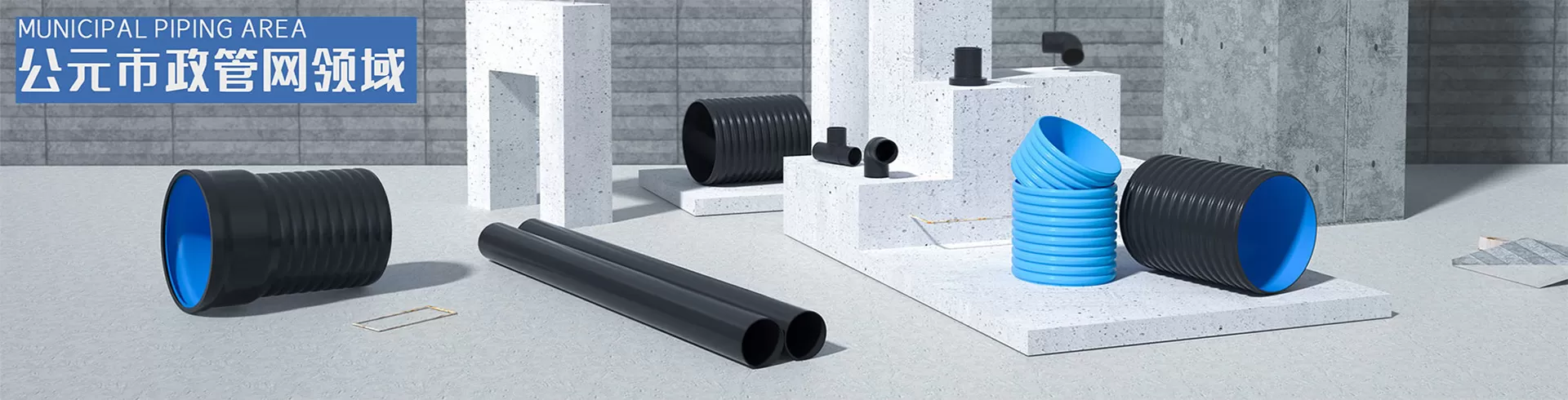

In the cold winter, the problem of anti-freezing of pipes has attracted much attention. For pe carat pipes, their thermal conductivity is one of the key factors to determine whether they need to be insulated in winter. PE carat pipes have unique material characteristics and their thermal conductivity is relatively low, which makes them capable of withstanding cold to a certain extent. However, the low temperature environment in winter is complex and changeable, and relying solely on the thermal conductivity characteristics of pe carat pipes may not be enough to fully guarantee the safe use of pipelines in winter. We need to comprehensively consider factors such as local climate conditions, the use environment of pipelines, and the expected temperature change range. If the area is extremely cold in winter and the pipeline is exposed to the outdoors for a long time, even if the thermal conductivity of the pe carat tube is low, in order to ensure the normal transportation of the medium in the pipeline and prolong the service life of the pipeline, appropriate thermal insulation measures are still necessary. For example, the pe carat tube can be wrapped with materials such as thermal insulation cotton. On the contrary, if the temperature is not extremely low in winter and the pipeline has a certain degree of protection and shelter, then it may be decided whether to carry out thermal insulation after evaluating the actual situation. In short, whether the pe carat tube needs to be kept warm in winter is based on the comprehensive consideration of its thermal conductivity and various actual conditions.


