
 简体中文
简体中文 Русский
 لالعربية
 Bahasa Melayu
 Tiếng Việt
 Bahasa Indonesia
 Українська
 Español
 Deutsch
 Français
 رسی
رسی ไทย
ไทย Português
 Nederlands
 Türkçe
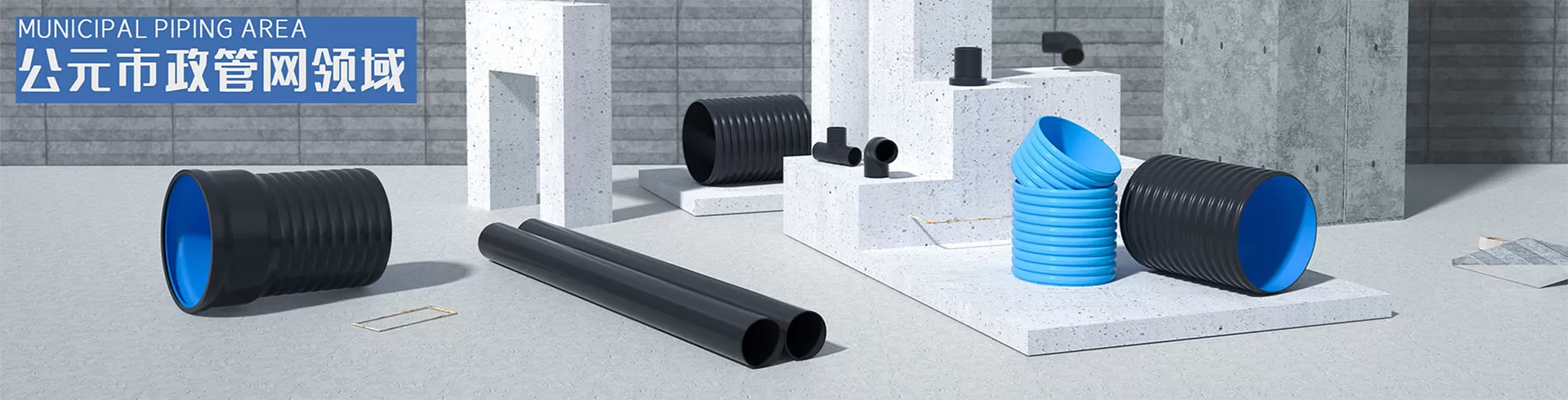
The demand for upgrading the municipal distribution network in eastern and southern Hubei is concentrated
Wuhan, Ezhou, Huangshi, Xianning and other eastern and southern Hubei regions are currently in the peak period of old city reconstruction and new urban supporting construction. There are more than 30 municipal power pipe network renovation projects launched in the first half of 2024 alone. Most of the projects clearly require CPVC material for buried power sheathed pipes. This kind of scene is mostly buried on sidewalks and non-motor vehicle roads, and has high requirements for flame retardancy and insulation of pipes. CPVC power pipes can withstand high temperatures above 90 ° C and have a flame retardant grade of B1, which just matches the safety requirements of urban power grid operation. The current mainstream selection ring stiffness is concentrated in SN8 level, which is suitable for the conventional burial depth of 1.2-2 meters.
The growth rate of new energy supporting demand in western Hubei and northern Hubei is obvious
The demand growth rate of photovoltaic and wind power grid-connected supporting power pipe network projects in Yichang, Xiangyang, Shiyan, Suizhou and other western and northern Hubei regions has exceeded 25% for two consecutive years. Such projects are mostly distributed in hilly and mountainous areas, with complex geological conditions and large fluctuations in soil acidity and alkali. CPVC power pipes have particularly outstanding performance advantages in corrosion resistance, impact resistance and weather resistance. They can be directly buried in the ground without additional anti-corrosion treatment, which greatly reduces construction costs. At present, such projects mostly choose thickened CPVC power pipes to meet the pipe jacking and trenchless construction needs of complex road sections in mountainous areas.
Key Points for Selection and Construction of CPVC Power Pipe in Hubei Region
According to the project characteristics of different regions in Hubei, the selection should be combined with the laying scene to adjust the parameters: ordinary municipal sections can choose conventional SN8 grade pipes, and cross-road pipe jacking and heavy-duty sections need to choose SN10 and above high-ring stiffness products. Before construction, it is necessary to check the outer wall of the pipe one by one for no cracks and flat ports. During hot-melt connection, the temperature should be strictly controlled between 180-200 ° C to avoid virtual welding and desoldering. During buried laying, 10-15 cm fine sand cushions should be laid on the upper and lower pipes to avoid sharp stones scratching the pipe walls and ensure long-term stable operation of the pipes.


