
 简体中文
简体中文 Русский
 لالعربية
 Bahasa Melayu
 Tiếng Việt
 Bahasa Indonesia
 Українська
 Español
 Deutsch
 Français
 رسی
رسی ไทย
ไทย Português
 Nederlands
 Türkçe
Basic performance parameter requirements
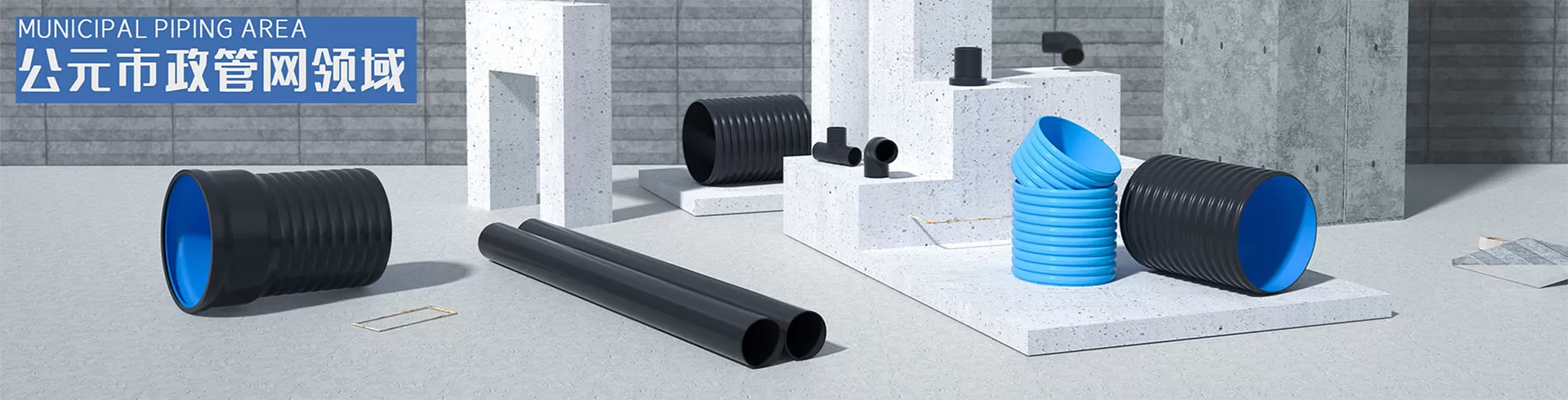
The 110 kV substation is used as the core node of high-voltage power transmission, and the performance of CPVC power pipes needs to match the requirements of high-voltage scenarios: the ring stiffness needs to reach SN8 and above, which can withstand underground soil pressure and short-term ground loads; the Vicat softening temperature should not be lower than 93 ° C to avoid pipe deformation in summer high temperatures; the flame retardant grade reaches V0 level, which can quickly self-extinguish in case of open fire, and prevent the spread of fire caused by line failure; the insulation resistance exceeds 10 ^ 12 Ω, which meets the insulation protection requirements of 110 kV high-voltage lines. At the same time, it has acid and alkali corrosion resistance and impact resistance, and the underground service life is not less than 50 years.
Selection and adaptation specification
In the selection stage, the pipe specifications need to be determined in combination with the cable laying scheme of the substation. The outer diameter of CPVC power pipes commonly used in 110kV lines is 160mm and 200mm, and the corresponding wall thickness is not less than 8mm. If the laying path passes through the heavy-duty traffic area, it needs to be upgraded to SN10 and above ring stiffness grade. The joints and pipe pillows supporting the pipes need to be adapted to the same specifications, and the sealing performance of the interface needs to reach IP67 level to avoid groundwater and sediment seeping into the pipe cavity to corrode the cable. Special transition pipe fittings need to be customized in advance for special turns and branch points. It is strictly forbidden to use cutting pipe splicing to deal with the corner.
On-site construction technical requirements
Before construction, it is necessary to clean up the sharp gravel and hard objects in the trench. The flatness error of the trench bottom is controlled within 10mm. It is strictly forbidden to directly lay pipes on the uneven trench bottom. Special CPVC glue should be used for interface bonding, and the socket depth meets the product labeling requirements. After bonding, let it stand for more than 15 minutes before moving the pipe. When backfilling, it is necessary to fill it with fine sand or soft soil to a position 30cm above the top of the pipe, and then fill the upper soil layer by layer to avoid deformation caused by direct contact of heavy-duty compaction equipment. After laying, it is necessary to do ball inspection to confirm that the lumen is free of blockage and invisible changes before starting the threading operation.


