
 简体中文
简体中文 Русский
 لالعربية
 Bahasa Melayu
 Tiếng Việt
 Bahasa Indonesia
 Українська
 Español
 Deutsch
 Français
 رسی
رسی ไทย
ไทย Português
 Nederlands
 Türkçe
.jpg "DN1000 SN25 carat tube, large diameter winding structure wall tubethe1page")
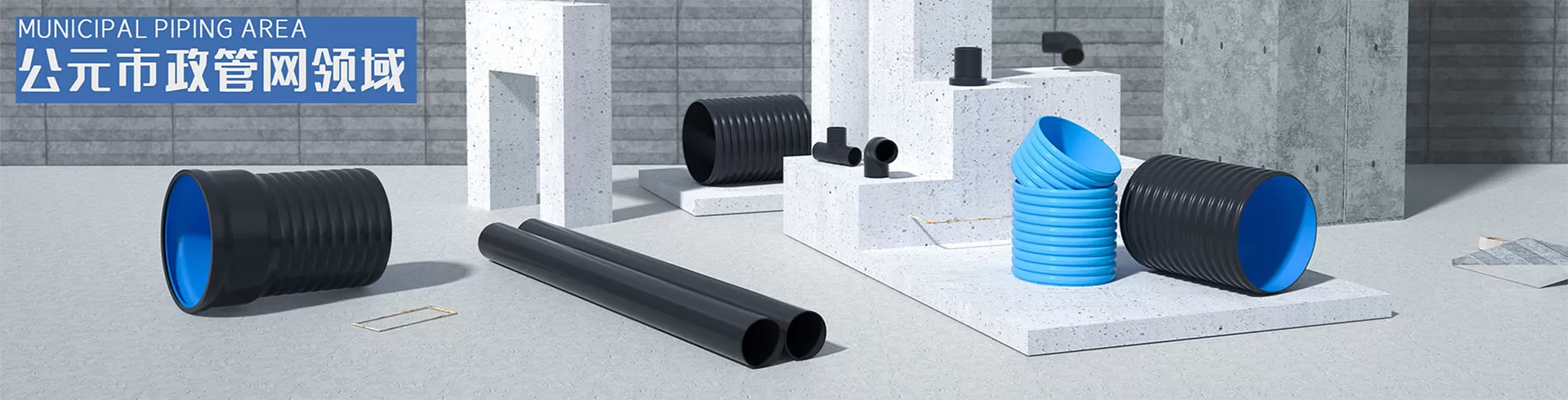
In the field of municipal drainage and large-scale infrastructure, when the pipe diameter reaches DN1000 level and needs to withstand deep earth pressure, the SN25 ring stiffness grade carat pipe becomes a highly suitable choice for engineering. The unique molding process of carat pipe, that is, high-density polyethylene wound structural wall pipe, determines its mechanical advantage in the large diameter category.
DN1000 refers to the nominal inner diameter of 1000 mm, which is already a typical large-diameter gravity flow pipeline. And SN25 represents a ring stiffness of 25 kN per square meter, which belongs to the high-ring stiffness class. Under the hot winding process, the pipe is spiral wound and welded with polyethylene tape, and the PP or PE solid-walled square pipe is extruded synchronously as a reinforcing rib, so that the structural wall has the ability to resist the radial deformation of 25 kN per square meter while obtaining a large diameter of DN1000. This "structural wall" design is not simply to increase the wall thickness, but to achieve higher circumferential stiffness with lighter weight by optimizing the moment of inertia, which not only ensures deep burial pressure resistance, but also reduces the load of the pipe's own weight on the lifting and foundation.
From the perspective of engineering applicability, DN1000 SN25 carat pipe is often used for trunk pipe sewage, rainwater transfer and industrial wastewater collection. The sealing method of its socket electric fusion or heat shrinkable belt connection can effectively cope with the fluctuation of groundwater level. High ring stiffness and flexibility of polyethylene material enable the pipeline to maintain long-term structural stability in soft soil foundations or uneven settlement sections. Under correct construction and backfilling conditions, the design service life of this specification pipe can reach more than 50 years, providing a reliable pipe solution for large-diameter gravity flow conveying systems.


