
 简体中文
简体中文 Русский
 لالعربية
 Bahasa Melayu
 Tiếng Việt
 Bahasa Indonesia
 Українська
 Español
 Deutsch
 Français
 رسی
رسی ไทย
ไทย Português
 Nederlands
 Türkçe
.jpg "DN700 carat pipe, special drain pipe for sewage treatment plantthe1page")
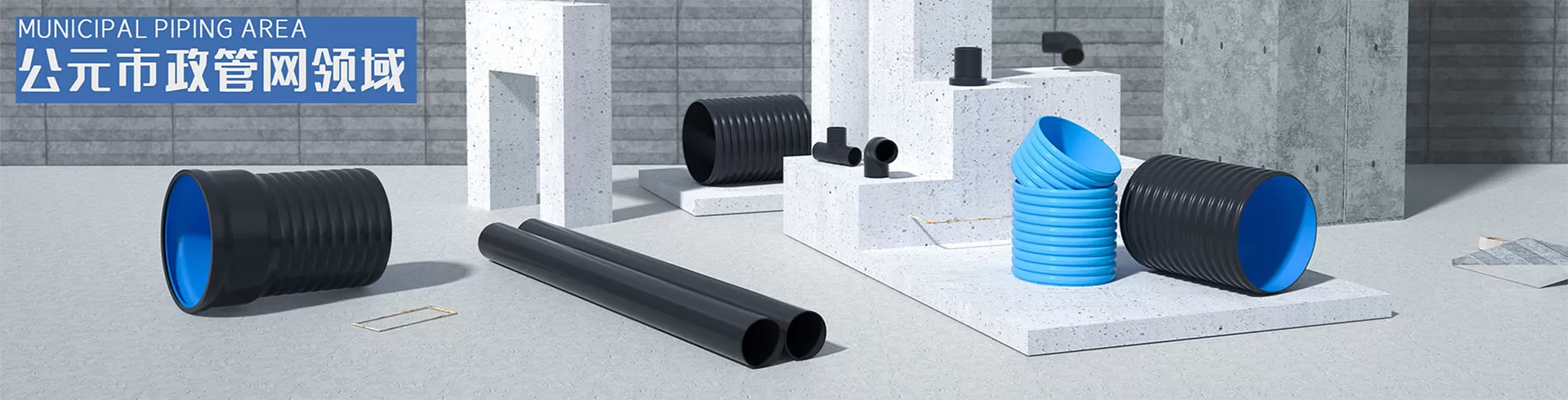
The wastewater treatment plant drainage system requires strict comprehensive performance of pipes. Because of its structural design and material characteristics, DN700 carat pipes have become a common solution for large-diameter gravity flow drainage pipes in this field. Carat pipes are high-density polyethylene wound structural wall pipes, which are manufactured by thermal winding molding process. The pipe wall is composed of a flat inner wall and special-shaped reinforcing ribs, which greatly improves the ring stiffness while ensuring the water section. DN700 pipes can usually provide SN8 to SN12.5 ring stiffness, which can adapt to changes in soil depth and the influence of groundwater buoyancy, and avoid deformation and instability of the pipe body.
In terms of corrosion resistance, polyethylene material is inert to acid, alkali salts and microorganisms in domestic sewage and industrial wastewater. It can transport corrosive media for a long time without additional lining, and the maintenance cost is low. The inner wall of the pipe is smooth, and the Manning roughness coefficient is about 0.009. The water transportation capacity under the same diameter is better than that of concrete pipes, which effectively reduces the risk of sedimentation. The connection method is mostly made of socket electric fusion welding or socket sealing ring flexible connection to form a closed pipeline without leakage, which prevents sewage exfiltration from polluting soil and groundwater, and also blocks external groundwater infiltration, reducing the treatment load.
In terms of construction adaptability, the DN700 carat pipe is lighter in weight than the traditional rigid pipe, easy to be hoisted in place, relatively small amount of trench excavation, and less disturbance to the base. The flexible pipe body can rely on the joint action of pipe and soil to disperse the load, showing good deformation following ability in soft soil foundation or seismic fortification area. The service life of the pipe can reach more than 50 years, and the comprehensive life cycle cost advantage is obvious. When selecting the type, it is necessary to confirm the ring stiffness grade and interface form according to the specific engineering depth, load conditions and hydraulic calculation, and backfill and tamper in strict accordance with the regulations to ensure the long-term safe operation of the drainage pipe network.


