
 简体中文
简体中文 Русский
 لالعربية
 Bahasa Melayu
 Tiếng Việt
 Bahasa Indonesia
 Українська
 Español
 Deutsch
 Français
 رسی
رسی ไทย
ไทย Português
 Nederlands
 Türkçe
.jpg "Hubei Electric Power Engineering Selection, CPVC/MPP Power Pipe Introductionthe1page")
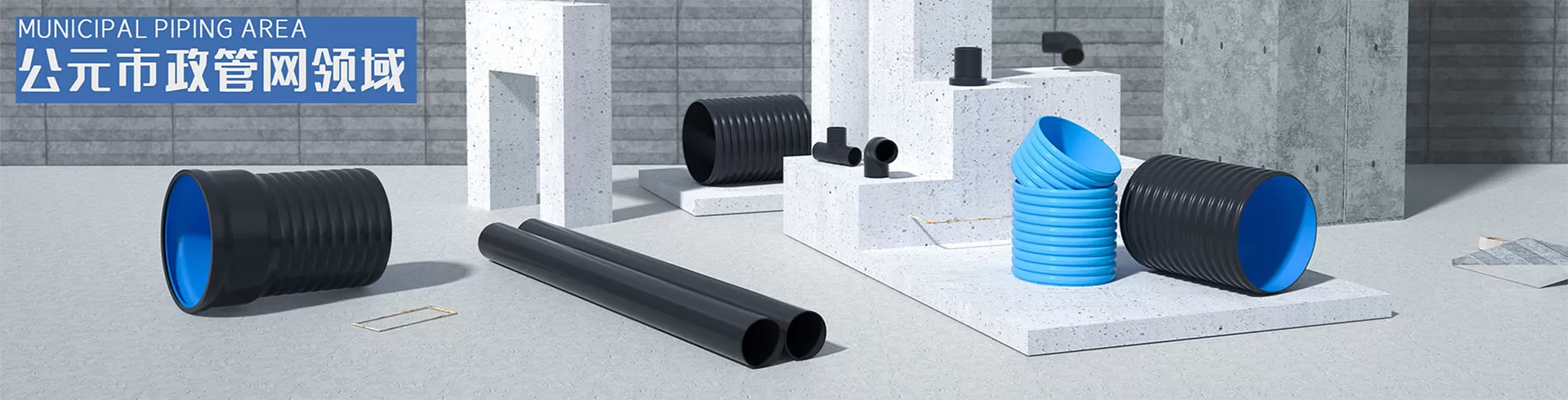
CPVC power pipes and MPP power pipes are widely used in the field of power engineering for cable protection. CPVC power pipes are made of chlorinated polyvinyl chloride as the main raw material, and MPP power pipes are made of modified polypropylene as the main raw material. Both types of pipes are developed for the scene of buried laying of power lines, and are suitable for the selection requirements of power engineering in Hubei Province with different geological conditions and different construction requirements.
The core selling points total four points, all of which are in line with the actual use needs of power engineering: First, the physical and chemical properties are stable, and it is suitable for multiple working conditions. CPVC power pipes have excellent corrosion resistance and insulation, can withstand long-term erosion of acid and alkali soil and humid environment, can effectively isolate external electromagnetic interference, and avoid leakage and signal interference during cable operation; MPP power pipes have outstanding high temperature resistance and impact resistance, and can withstand long-term extrusion of external loads. It is not easy to deform and break during trenchless construction. The service life of both types of pipes under normal use conditions can reach more than 50 years, which can greatly reduce the cost of later operation and maintenance replacement. Second, the construction adaptability is strong, meeting different operation requirements. CPVC power pipe has light weight, simple splicing process, and can use various connection methods such as elastic sealing ring connection and bonding. The construction efficiency is more than 40% higher than that of traditional cement protection pipes, and the skills of construction personnel are lower; MPP power pipe can be adapted to excavation and non-excavation construction modes at the same time, without large-scale damage to road surfaces and vegetation. It is especially suitable for power laying operations in municipal core road sections, cultivated land reserves, and ecological control areas. It meets the relevant requirements of municipal construction control and ecological protection in Hubei region. Third, environmental compliance, in line with industry standards. The production process of the two types of pipes meets the relevant requirements of national environmental protection. No harmful components are released during production and use. Waste pipes can be recycled and reused. All performance indicators meet the relevant standards of the current power industry pipes, and can be adapted to cable protection needs of voltage levels of 10kV and below. Fourth, the cost is controllable and the cost performance is outstanding. The procurement cost of the two types of pipes is moderate, and the installation, operation and maintenance costs are low. Compared with traditional metal and cement cable protection pipes, the cost of the whole life cycle can be reduced by about 30%, which meets the cost control requirements of power engineering.
In terms of applicable scenarios and people, CPVC power pipes are suitable for conventional excavation construction scenarios such as buried laying of ordinary municipal power, power distribution projects in residential areas, power matching in industrial parks, and upgrading of rural power grids; MPP power pipes are suitable for trenchless construction scenarios such as urban main road crossing, railway crossing, river crossing, scenic spots and ecological control areas. Both types of pipes are suitable for power engineering needs in different geological conditions such as plains, hills, and mountainous areas in Hubei. The suitable people include relevant entities such as power engineering construction units, construction units, pipe purchasers, and power design units in Hubei region. The corresponding types of pipes can be selected according to the construction conditions, voltage grades, and budget requirements of specific projects.
The two types of power pipes introduced this time have passed the compliance testing of relevant national quality inspection agencies and meet the relevant quality requirements of power engineering construction. The purchaser can require the supplier to provide the corresponding batch of test reports, product qualification certificates and other materials during the selection process to ensure the compliance and quality of the project.


