
 简体中文
简体中文 Русский
 لالعربية
 Bahasa Melayu
 Tiếng Việt
 Bahasa Indonesia
 Українська
 Español
 Deutsch
 Français
 رسی
رسی ไทย
ไทย Português
 Nederlands
 Türkçe
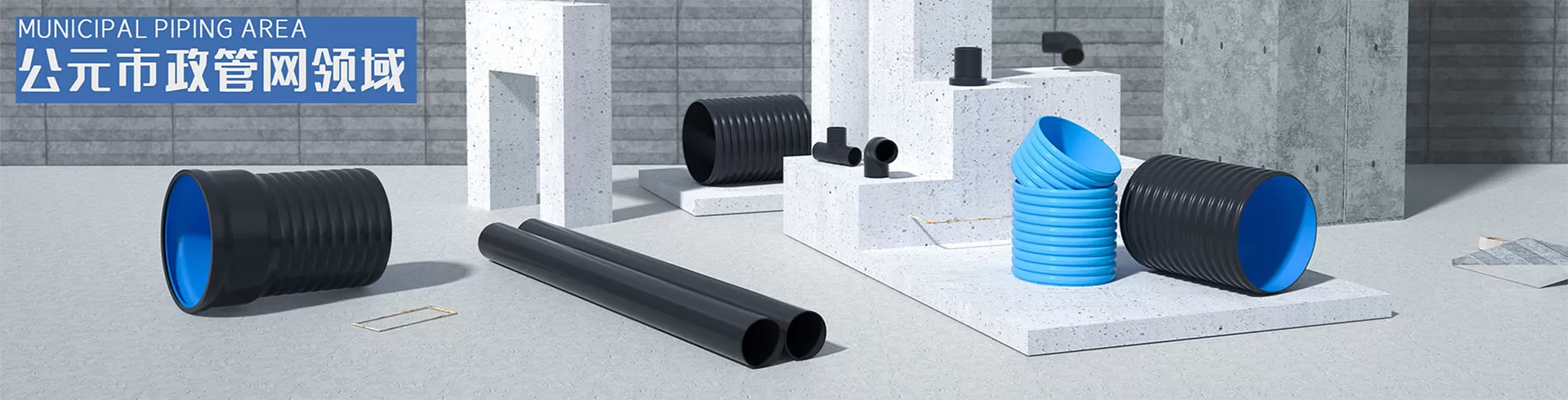

Carat tube, scientific name high-density polyethylene winding structure wall tube, is a kind of large-diameter environmental protection pipe widely used in municipal drainage and sewage projects. Its product performance and production quality strictly follow the specifications of the national standard GB/T 19472.2. The standard systematically stipulates the definition, classification, raw materials, technical requirements and test methods of carat tube, which is the fundamental basis for engineering material selection and acceptance.
According to the standard, the carat pipe is made of high-density polyethylene as the main raw material, polypropylene single-wall corrugated pipe as the auxiliary support structure, and is made by hot winding molding process. This structural design enables the pipe to obtain excellent ring stiffness while ensuring lightweight. GB/T 19472.2 clearly divides SN4, SN8, SN12.5 and other ring stiffness grades to adapt to different burial depths and load requirements. In engineering design, the corresponding grade should be reasonably selected according to the depth of covering soil, groundwater level and road dynamic load.
In addition to ring stiffness, the standard has strict indicators for the ring flexibility, impact strength and longitudinal retraction rate of the pipe. In the installation process, the connection methods approved by the standard usually include socket electric fusion connection, heat shrinkable belt connection, etc. These methods can ensure that the interface remains tight during long-term operation without the risk of leakage. The water closure test is a key step in testing the tightness of the pipeline system and must be strictly carried out according to the specifications.
In practical applications, carat pipes have been widely used in sponge city rainwater collection, sewage transportation and industrial park drainage systems due to their excellent characteristics such as corrosion resistance, settlement resistance and hydraulic characteristics. It should be emphasized that all compliance products need to pass standardized testing, and their physical and mechanical properties should fully meet the requirements listed in GB/T 19472.2. When the project parties enter the site, they should carefully check the core data such as ring stiffness, ring flexibility and tensile strength of weld joints in the test report to ensure that the pipe meets the national standard from production to laying, laying a solid foundation for the long-term safe operation of the pipe network.


