
 简体中文
简体中文 Русский
 لالعربية
 Bahasa Melayu
 Tiếng Việt
 Bahasa Indonesia
 Українська
 Español
 Deutsch
 Français
 رسی
رسی ไทย
ไทย Português
 Nederlands
 Türkçe
.jpg "Carat pipe production and supply, underground stormwater drainage pipesthe1page")
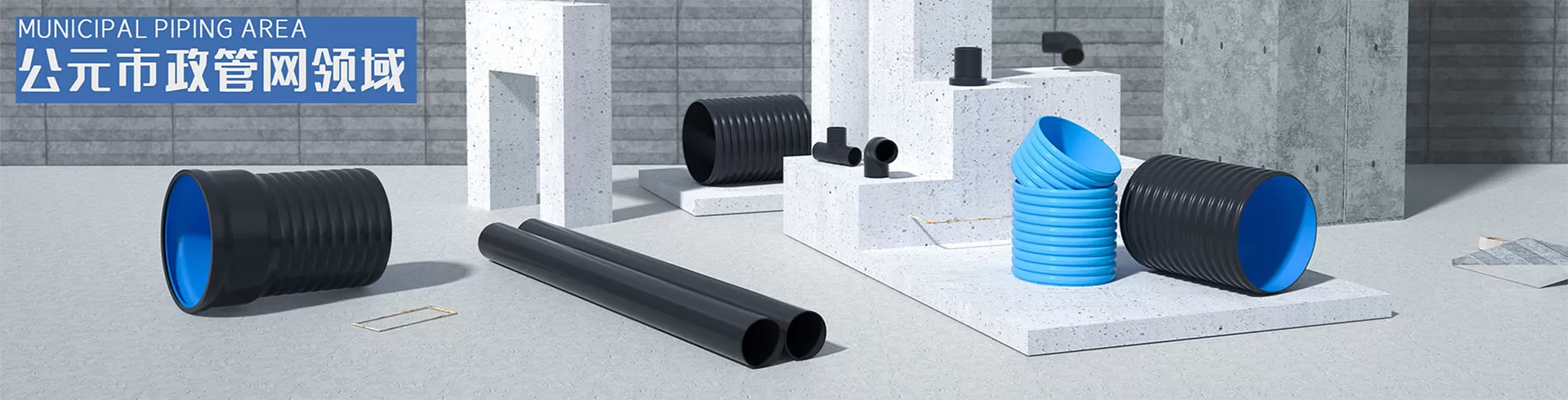
In the construction of urban drainage pipe network, the selection of materials for underground rainwater drainage pipes is directly related to the durability and safety of system operation. Carat pipes, that is, high-density polyethylene wound structural wall pipes, are becoming common pipes for rainwater drainage projects due to their excellent engineering adaptability. Its production and supply links strictly follow standardized processes, providing reliable drainage solutions for municipal roads, building quarters, industrial parks and other scenarios.
From the production side, the carat tube adopts the hot winding molding process, using high-density polyethylene as the main raw material, extruding square tube or round tube profile on the continuous rolling die, synchronous spiral winding and welding to form the whole pipe wall. This structural design endows the pipe with excellent ring stiffness, which can withstand the soil load and pavement dynamic load under different burial depths. During the production process, the raw material ratio, winding temperature and cooling rate are precisely controlled to ensure that the inner and outer walls of the pipe are smooth and free of bubble delamination, ensuring the long-term anti-leakage ability of underground rainwater drainage pipes from the source.
In rainwater drainage applications, the advantages of carat pipes are reflected in multiple dimensions. Its inner wall roughness coefficient is low, and the water flow resistance is small, which can quickly channel rainstorm runoff and reduce the risk of waterlogging. Polyethylene material itself is resistant to acid and alkali corrosion, and is not sensitive to weak acidic substances carried by rainwater and electrolytes in the soil. Its service life far exceeds that of traditional concrete pipes or metal pipes. At the same time, the pipes are connected by socket-type electrofusion connection or sealing ring flexible connection, and the interface is highly airtight, which can effectively prevent groundwater infiltration and sewage infiltration, and protect the surrounding soil environment.
The maturity of the supply chain is also critical. The current carat pipe has formed a complete sequence from standard caliber to large caliber, which can meet the design requirements of different drainage flows. Suppliers usually provide matching inspection wells, connectors and technical guidance to assist the construction party to achieve rapid lifting, accurate docking, and shorten the construction period of underground rainwater drainage pipes. Lightweight pipes also reduce transportation and lifting costs, especially suitable for projects with limited operation surfaces such as old city renovation.
The reasonable selection of carat pipes requires the determination of ring stiffness grades and pipe diameter specifications according to engineering geological conditions, design burial depth and hydraulic calculation. Standardized construction backfilling and compaction can further exert the joint role of its pipe and soil and prolong the maintenance period of the pipe network. With the advancement of the concept of sponge city, the comprehensive requirements for collection, transportation and storage of underground rainwater drainage pipelines continue to increase. Carat pipes continue to provide solid support for drainage and waterlogging prevention infrastructure with their stable production quality and mature supply system.


