
 简体中文
简体中文 Русский
 لالعربية
 Bahasa Melayu
 Tiếng Việt
 Bahasa Indonesia
 Українська
 Español
 Deutsch
 Français
 رسی
رسی ไทย
ไทย Português
 Nederlands
 Türkçe
.jpg "Sewage treatment works, sewage carat pipesthe1page")
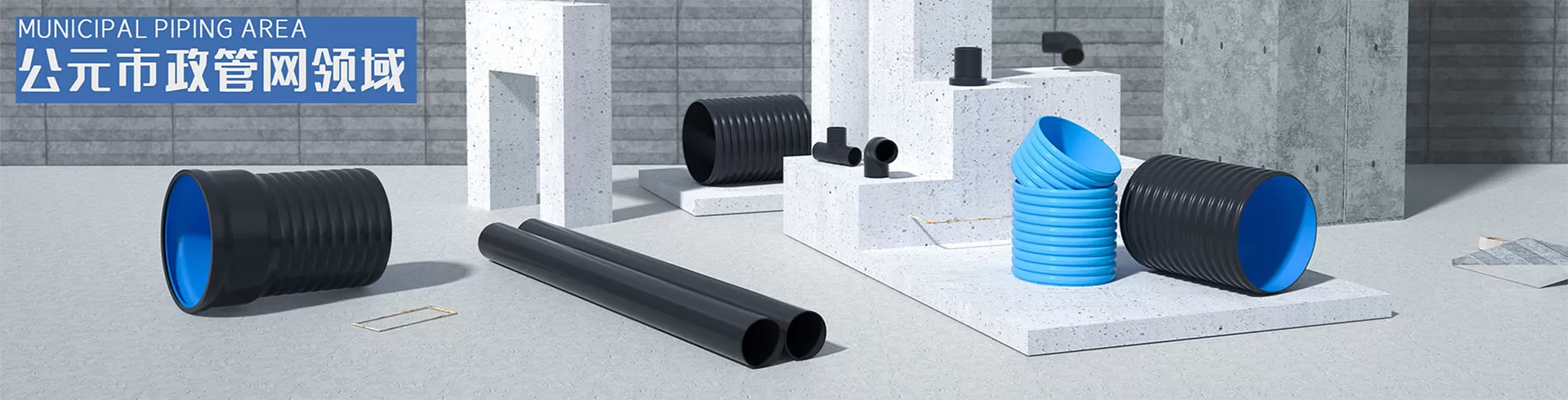
In sewage treatment engineering, the material selection of sewage pipes is directly related to the long-term stable operation of the entire collection system. Carat pipe, as a kind of high-density polyethylene structural wall hot winding pipe, has been widely used in the field of gravity flow sewage because of its unique wall structure and reliable interface form. Its core advantage is that it realizes high ring stiffness with less material, which can effectively withstand the static load of buried ground and the dynamic load of pavement, and meets the needs of different buried depth working conditions.
From the perspective of material characteristics, high-density polyethylene raw materials endow pipes with good chemical corrosion resistance, tolerance to acid, alkali salts and microbial erosion commonly found in municipal wastewater and industrial wastewater, and are not easy to scale. It can maintain unobstructed pipes for a long time. The pipes are connected by socket-type electrofusion or throttling sockets, and a tight seal is formed at the interface, which can effectively resist groundwater infiltration and sewage exfiltration, which is essential for protecting the soil and groundwater environment.
In the selection of engineering materials, it is necessary to determine the ring stiffness grade according to the burial depth, geological conditions and load requirements, and pay attention to the creep ratio and impact resistance of the pipe. Standardized trench backfilling and compaction are the keys to play the role of pipe and soil and ensure long-term safe operation. Overall, the sewage carat pipe provides an economical and reasonable solution for the construction of sewage treatment pipe network with reliable ring stiffness, corrosion resistance and convenient construction.


