
 简体中文
简体中文 Русский
 لالعربية
 Bahasa Melayu
 Tiếng Việt
 Bahasa Indonesia
 Українська
 Español
 Deutsch
 Français
 رسی
رسی ไทย
ไทย Português
 Nederlands
 Türkçe
.jpg "Steel belt bellows entry acceptance, national standard pipe inspection tipsthe1page")
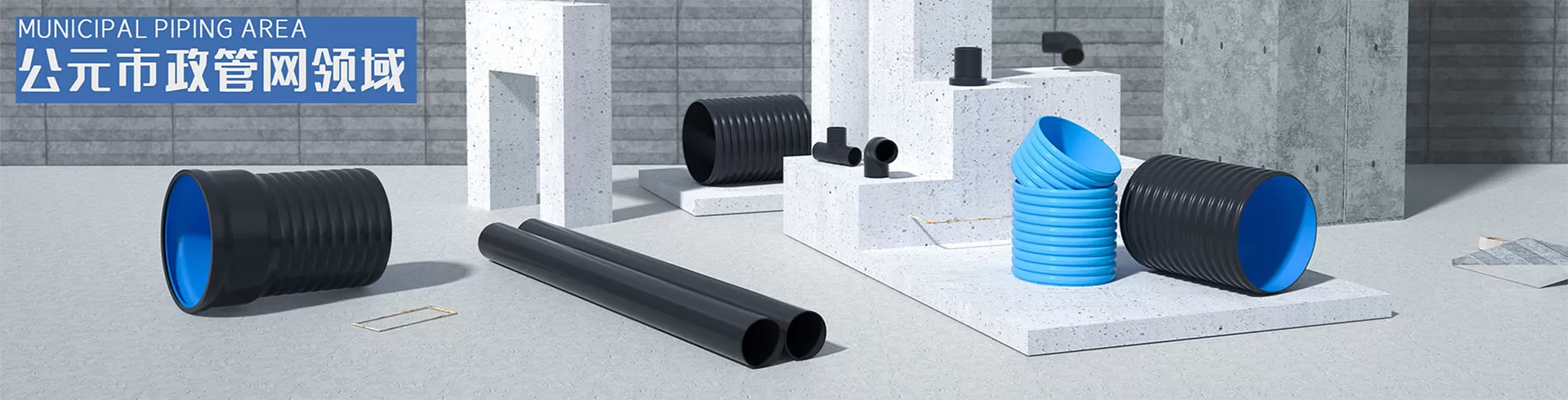
As a type of plastic pipe commonly used in engineering, steel bellows must be inspected one by one in accordance with the requirements of the national standard.
The first is the appearance inspection. According to the national standard, the surface of the pipe should be smooth and flat, free of cracks, pits, bubbles and other defects. The steel belt reinforcement layer should not be exposed, and the edge of the nozzle should be flat and free of burrs to avoid sealing problems in subsequent connections. At the same time, check the pipe diameter and wall thickness, and use a vernier caliper to accurately measure to ensure that it is consistent with the national standard parameters, and the deviation should not exceed the allowable range.
Secondly, the data verification, the entry pipe must be accompanied by a complete factory certificate, third-party inspection report, the report must be clearly marked with the national standard number, the performance indicators must meet the engineering design requirements, no missing or forged data, otherwise it is strictly prohibited to enter the site.
The other is sampling performance testing, which extracts a certain proportion of pipes according to the requirements of the national standard, focusing on the core index of ring stiffness, which can be tested by professional instruments to ensure that the pipes can withstand the external pressure required by the project; at the same time, check the fit of the pipe connection parts, such as the dimensional accuracy of the socket interface, to ensure the sealing of subsequent construction.
Finally, it is necessary to make a good record of acceptance and register the inspection results in detail. Only qualified pipes can be put into storage, and unqualified products can be cleared in time to avoid potential quality hazards in the construction process. These national standard pipe inspection tips are essential professional skills for engineers, which can effectively build the first line of defense for project quality.


