
 简体中文
简体中文 Русский
 لالعربية
 Bahasa Melayu
 Tiếng Việt
 Bahasa Indonesia
 Українська
 Español
 Deutsch
 Français
 رسی
رسی ไทย
ไทย Português
 Nederlands
 Türkçe
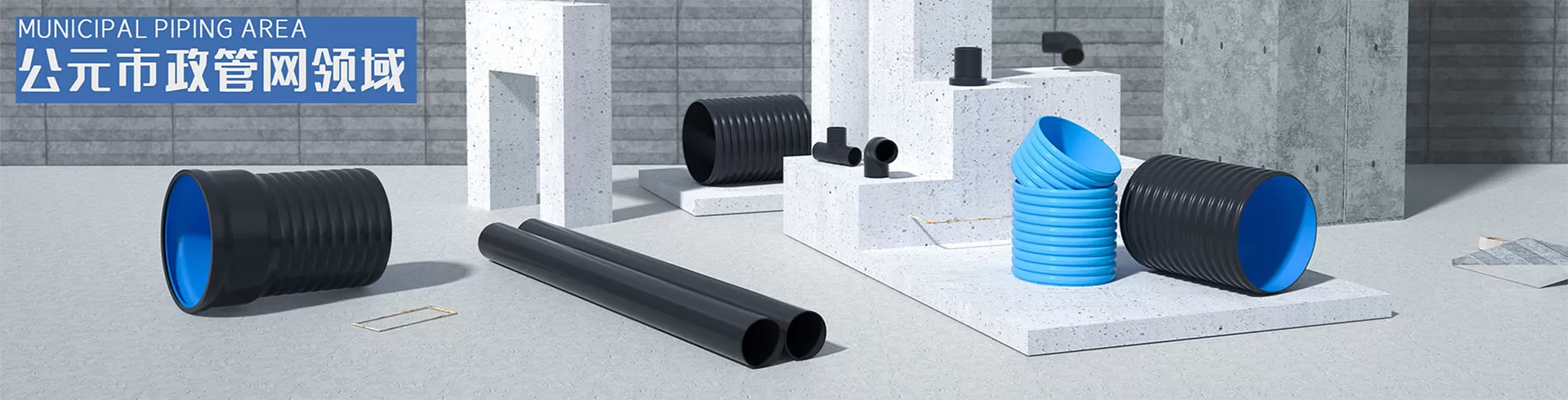
The national standard pressure-bearing PE pipe is a pressure-bearing pipe product made of high-density polyethylene as the core raw material and strictly in accordance with the current national plastic pipe production standards. The nominal pressure covers the range of 0.6MPa to 1.6MPa, and the nominal diameter range is 20mm-1200mm, which can match the transportation pressure and flow demand of different scenarios. The product pipe wall is uniform and smooth, the fluid transportation resistance is about 30% lower than the metal pipe of the same specification, and the transportation efficiency is higher. Before leaving the factory, it needs to pass a number of inspections such as appearance inspection, dimensional deviation inspection, pressure-bearing performance inspection, and hydrostatic strength test. All indicators can be shipped out of the warehouse after meeting the standards.
The core advantages of the product mainly include four points: The first is to stabilize the pressure-bearing performance to meet the long-term use requirements of the project. The production process of the product strictly follows the national standard process requirements, the raw material ratio specification, and the finished ring stiffness, short-term and long-term hydrostatic strength all meet the standard requirements. In the conventional range where the actual application pressure does not exceed the nominal pressure of the product and the operating temperature is -20 ° C to 40 ° C, it is not easy to cause pipe bursting, leakage and other problems, which can stably meet the long-term use requirements of most projects.
The second is to install conveniently and reduce the comprehensive cost of the project. The weight of the national standard pressurized PE pipe is only about 1/8 of that of the same specification steel pipe, which is difficult to handle and hoist on site, and can be laid without the cooperation of large and heavy equipment. The interface adopts hot-melt and electrofusion connection technology, which has a simple operation process and excellent sealing performance. The construction efficiency is increased by more than 40% compared with traditional metal pipes, which can effectively shorten the construction cycle of the project and reduce the comprehensive cost of labor and machinery.
The third is that the anti-corrosion and anti-aging operation and maintenance cost is low. The product itself has excellent chemical stability and can withstand the corrosion of most common acid and alkali media. Buried laying does not require additional anti-corrosion treatment; the standard formula adds compliance anti-aging components, under the premise of normal buried laying and meeting the use specifications, the service life can reach more than 50 years. There is no need for frequent replacement and maintenance during the service cycle, and the subsequent operation and maintenance cost is extremely low.
The fourth is hygiene and environmental protection suitable for multi-media transportation. The raw materials of the product are non-toxic and tasteless, no heavy metal additives are added in the production process, no harmful components are precipitated, and the inner wall is smooth and not easy to scale. It meets the safety evaluation requirements of drinking water transmission and distribution equipment. It can be directly used in drinking water transportation scenarios, and can also be adapted to the transportation needs of different media such as fresh water, rainwater, ordinary industrial wastewater, and irrigation water.
The current national standard pressurized PE pipe can be widely adapted to the construction of municipal water supply main pipe and branch pipe network, rural safe drinking water full coverage project, municipal pressure drainage and sewage pipe network construction, industrial production fluid transportation, farmland water-saving irrigation pressure pipe network laying, secondary water supply pipe network transformation in residential quarters, landscaping pressure water delivery and many other engineering scenarios. Adaptation procurement subjects include municipal engineering contractors, real estate development enterprises, water conservancy engineering construction parties, industrial park operation and maintenance management parties, agricultural irrigation project contractors and other entities with bulk procurement needs. The purchaser can select products with corresponding specifications and pressure levels according to the actual laying environment, type of conveying medium, and design pressure requirements of the project.
At present, the compliance of the national standard pressure PE pipe in the market needs to pass the full performance test of the qualified third-party quality inspection agency, and the whole production process follows the requirements of the quality management system. When purchasing in bulk, you can ask the supplier for the corresponding batch of product quality qualification certificates, third-party test reports and other documents to verify the matching degree of product parameters and project requirements, and effectively ensure the quality of engineering construction.
.jpg "National standard pressure PE pipe, the first choice for bulk procurement of engineering projectsthe1page")


