
 简体中文
简体中文 Русский
 لالعربية
 Bahasa Melayu
 Tiếng Việt
 Bahasa Indonesia
 Українська
 Español
 Deutsch
 Français
 رسی
رسی ไทย
ไทย Português
 Nederlands
 Türkçe
Core standards for municipal water supply and drainage pipe selection
.jpg "Hubei PE steel mesh skeleton pipe, municipal water supply and drainage special pipethe1page")
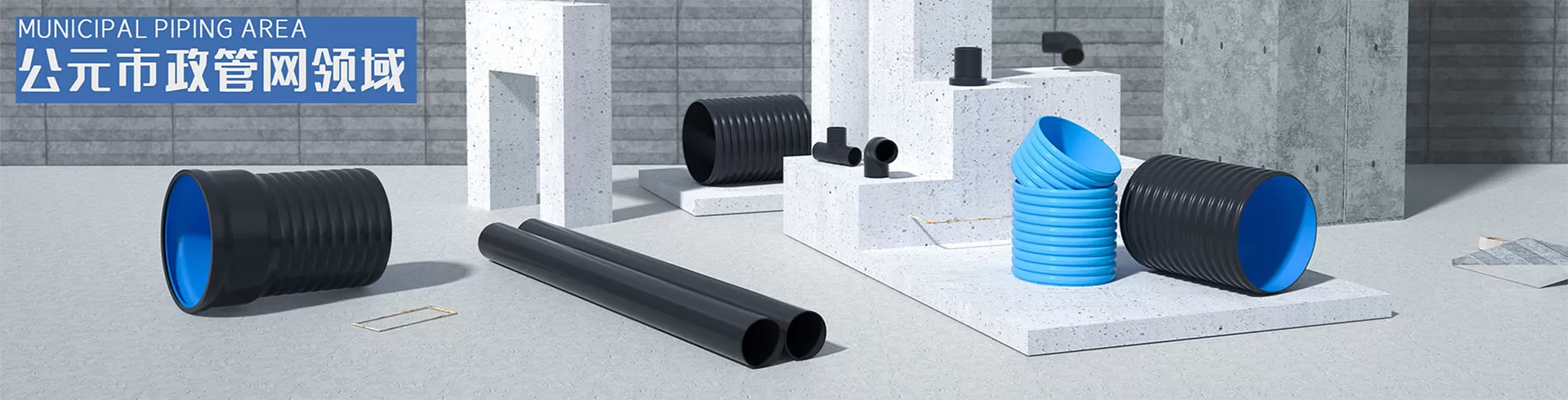
Hubei has a subtropical monsoon climate, with rainy summers and high groundwater levels. Pipes are susceptible to frost heaving during low temperatures in winter. When selecting pipes for municipal water supply and drainage projects, it is necessary to consider pressure-bearing capacity, corrosion resistance, and settlement and deformation resistance. At the same time, it is necessary to adapt to the general standards of local pipe network construction to reduce subsequent operation and maintenance costs.
Suitable Performance Advantages of PE Steel Mesh Skeleton Pipe
As a composite PE pipe with steel wire reinforced structure, this type of product has a pressure-bearing capacity enhancement of more than 40% compared with ordinary pure PE water supply and drainage pipes, which can be adapted to the medium and high pressure transportation needs of municipal water supply and drainage pipe networks; the inner and outer layers of PE are resistant to acid and alkali corrosion, suitable for the soil environment in most parts of Hubei, and the buried service life can reach more than 50 years; the pipe weight is only 1/7 of the same specification steel pipe, and the transportation and installation difficulty is lower, and the construction period of the project can be compressed.
Precautions for local construction and installation
The buried depth of the municipal pipe network in Hubei is usually below the permafrost layer. Before construction, it is necessary to check the distribution of underground pipelines in the laying area in advance to avoid cross-construction damage to the pipes. The interface is connected by electric melting, and the temperature and duration parameters should be strictly controlled during construction to ensure that the interface seal is free of leakage. When backfilling, it is necessary to fill it with fine sand or fine soil to 30 cm above the top of the pipe, and then fill the upper layer of earth to avoid sharp stones scratching the pipe wall.
Practical suggestions for later operation and maintenance
This type of pipe is less difficult to operate and maintain daily. It only needs to regularly check the pressure of the pipe network and the leakage of the interface. Small-scale pipe wall damage can be repaired on-site with special repair parts, without the need to replace the entire section. It can reduce the operation and maintenance cost of the pipe network by more than 30% and is suitable for large-scale municipal water supply and drainage projects.


