
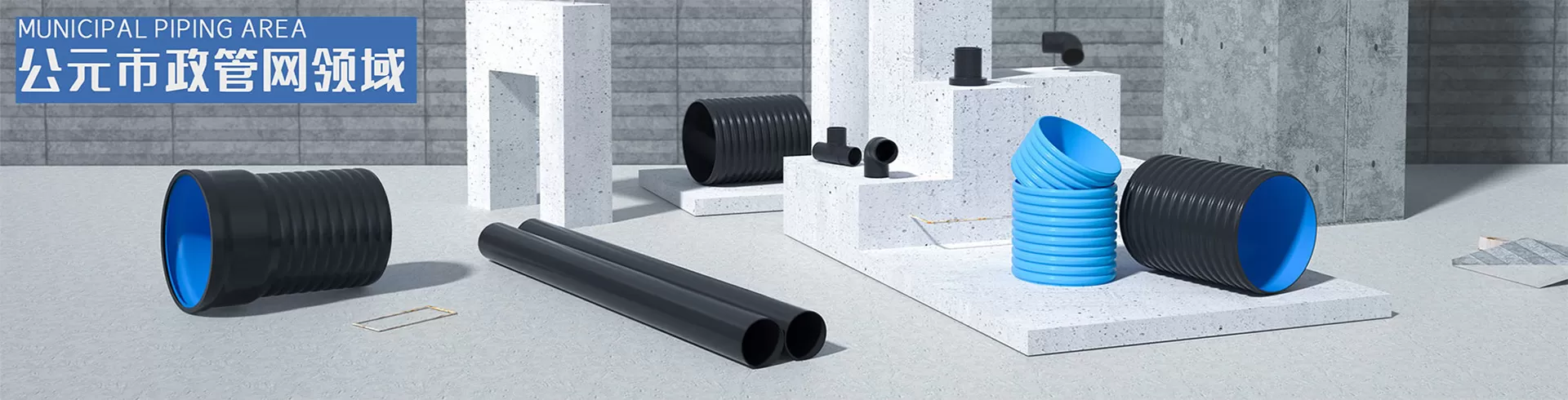
In all kinds of pipeline engineering, large diameter PE pipe is widely used because of its corrosion resistance, good flexibility and other advantages. However, the problem of loose interface occurs from time to time, which affects the normal operation of the pipeline system. In view of this situation, scientific reinforcement is crucial.
The fastening process is the key first step. The construction personnel need to clean the debris at the interface first to ensure that the contact surface is clean. Then, choose the appropriate fastening tool, such as a special wrench, etc. During operation, follow the principle of uniform force to avoid excessive local stress.
Torque control standards are even more important. Large-diameter PE pipes with different pipe diameters and wall thicknesses have different torque requirements. Generally speaking, the standard value needs to be determined by professional torque testing equipment in combination with pipe specifications. For example, pipes with larger pipe diameters and thicker walls need to be properly increased in torque, but they cannot exceed the pipe's tolerance limit. Strictly controlling torque according to standards during construction can effectively prevent the interface from loosening again and improve the sealing and stability of the connection.
Overall, mastering the fastening process and torque control standards for the loosening of large-diameter PE pipe joints is an important part of ensuring the quality of pipeline projects. Construction personnel must pay attention to and operate accurately.


