
 简体中文
简体中文 Русский
 لالعربية
 Bahasa Melayu
 Tiếng Việt
 Bahasa Indonesia
 Українська
 Español
 Deutsch
 Français
 رسی
رسی ไทย
ไทย Português
 Nederlands
 Türkçe
.jpg "Fused connection DN600 carat tube, stable sealing performancethe1page")
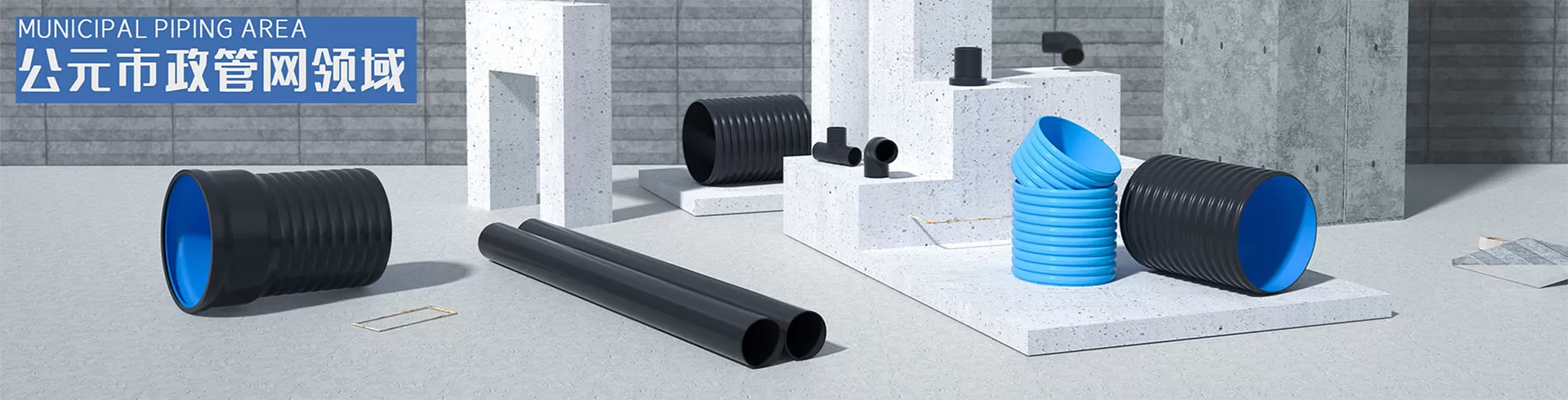
The fused connection DN600-carat pipe is widely used in municipal drainage, sewage treatment and other large-diameter pipeline projects because of its stable sealing performance. The pipe is designed with a structural wall, has high ring stiffness, and can withstand large external pressure. The sealing effect of the connection directly determines the safety of the long-term operation of the pipe network.
The core of the electrofusion connection lies in the electric hot melt belt pre-embedded at the end of the pipe. During construction, the output end of the special electrofusion welding machine is connected to the welding strip terminal, and the current generates heat through the precision-arranged resistance wire, so that the surface of the pipe interface and the inner layer of the melting strip are evenly heated and melted. Under controlled temperature and time parameters, the melt fully diffuses and penetrates each other, and after cooling, a socket welding structure with the same strength as the pipe body is formed. The entire welding process does not require additional sealing rings or adhesives, and relies on the material itself to fuse to achieve interface sealing.
The electrofusion interface of the DN600 large-diameter carat tube has been strictly designed and verified, and its sealing mechanism includes multiple guarantees. The first layer is a continuous dense layer formed by the molten zone to prevent leakage channels; the second layer is a limit step embedded in the tube end and the structure of the melting strip to ensure the accuracy of socket alignment and avoid partial welding. The third layer is the overall shrinkage effect after welding, which further enhances the hoop tightening force of the interface. These characteristics together give the joint the ability to resist long-term foundation settlement, temperature deformation and internal water pressure fluctuations.
In practical projects, standardized electrofusion connection operation is the premise of stable sealing. The nozzle is cut flat, the welding surface is clean and dry, the ambient temperature is suitable, the welding parameters are matched, and the welding procedure is strictly followed to ensure that every interface meets the design sealing requirements. Since the electrofusion connection can trace the welding current, time and other data, it is convenient for quality control, so that the large-diameter pipeline system can maintain a stable state of low maintenance and zero leakage during the operation cycle.


