
 简体中文
简体中文 Русский
 لالعربية
 Bahasa Melayu
 Tiếng Việt
 Bahasa Indonesia
 Українська
 Español
 Deutsch
 Français
 رسی
رسی ไทย
ไทย Português
 Nederlands
 Türkçe
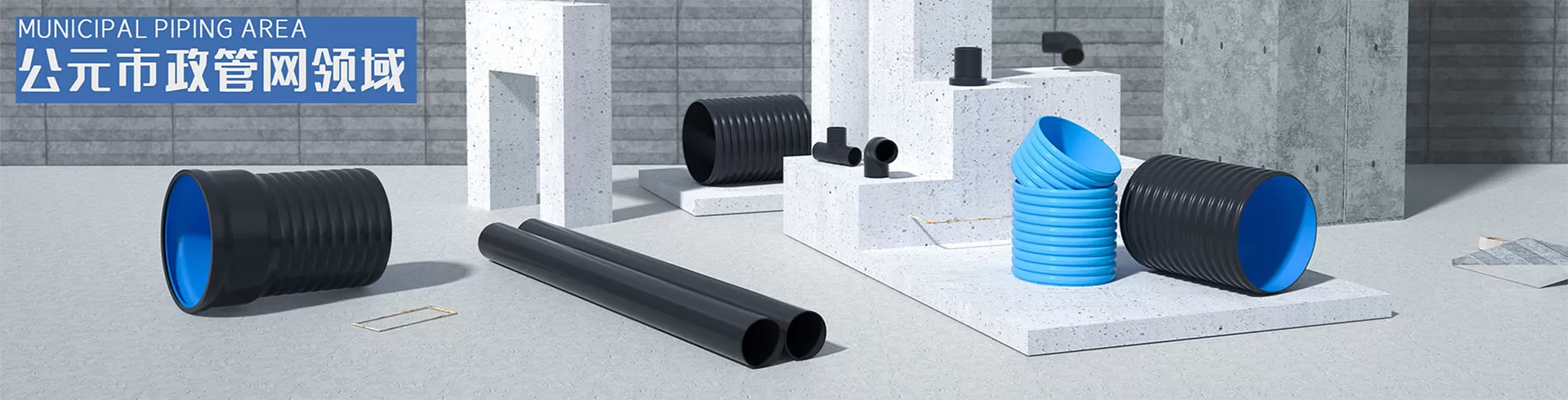

In low-temperature environments, plastic pipeline construction faces many challenges such as increased material brittleness and increased connection difficulty. Steel bellows have become an ideal choice for many low-temperature projects due to their unique composite material structure. Today, let's learn more about its core performance and key points for low-temperature construction.
The steel belt corrugated pipe is based on high-density polyethylene and embedded with a spiral steel belt reinforcement layer. This "plastic-steel combination" structure not only retains the corrosion resistance and flexibility of polyethylene, but also greatly improves the ring stiffness with the help of the high strength of the steel belt, which can effectively resist the extrusion of soil and external loads at low temperatures. Its low-temperature impact resistance is particularly outstanding. In an environment of minus tens of degrees Celsius, it can still maintain good toughness and is not prone to brittle cracking, which is an advantage that ordinary pure plastic pipes cannot match.
During low-temperature construction, it is necessary to adjust the operation mode closely to the material characteristics. The storage process should avoid long-term open-air exposure of the pipeline, which can cover the thermal insulation material to prevent the performance fluctuation of the pipe due to the sudden drop in temperature; when connecting, the heating time of the hot-melt or electrofusion connection should be appropriately extended to ensure that the interface is fully fused and avoid the hidden danger of weak connection caused by low temperature; When installing and handling, it should be handled with care to prevent the pipe from being damaged by impact, especially the bonding part of the steel belt and polyethylene. Special attention should be paid.
Understanding the material properties of steel bellows can help construction personnel operate more scientifically in low-temperature environments, ensure the stability and service life of the project, and provide reliable pipeline solutions for municipal drainage, farmland irrigation, and other projects in low-temperature areas.


