
 简体中文
简体中文 Русский
 لالعربية
 Bahasa Melayu
 Tiếng Việt
 Bahasa Indonesia
 Українська
 Español
 Deutsch
 Français
 رسی
رسی ไทย
ไทย Português
 Nederlands
 Türkçe
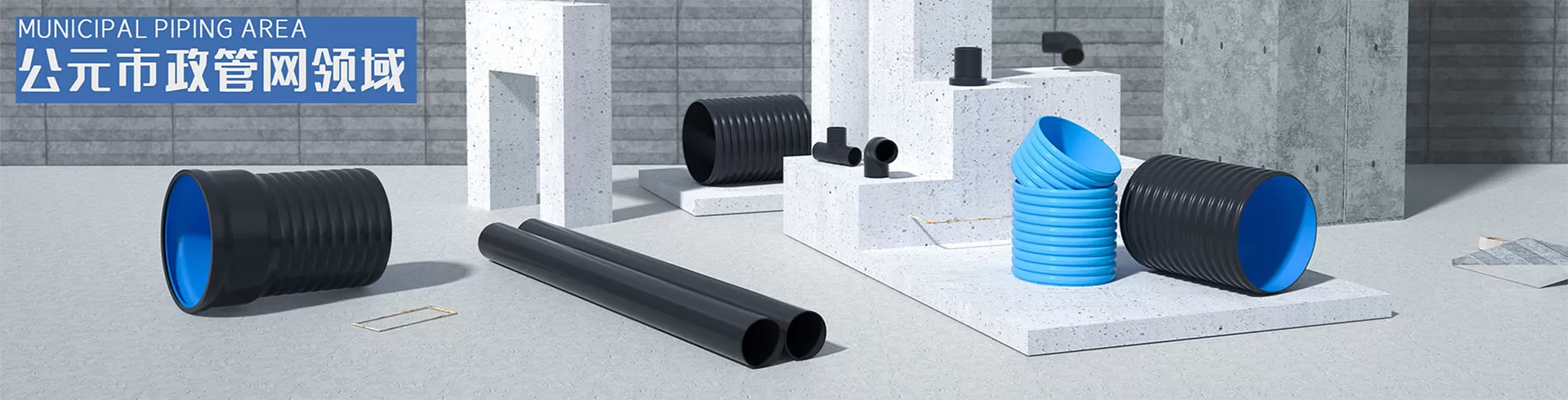
.jpg "Construction of outdoor pipe network in the park, multi-specification plastic pipes adapt to the sub-construction needs of the factory areathe1page")
The outdoor pipe network of the park carries multiple functions such as water supply, drainage, fire protection and sprinkler. The pressure grade, ring stiffness and connection method requirements of the pipes in each sub-project are significantly different. Scientific adaptation of multi-specification plastic pipes is the basis for ensuring the long-term operation of the system.
In the plant water supply item, the main pipe is often made of large and medium-diameter polyethylene pipe, which can effectively absorb the micro-deformation of the foundation, and the branch pipe is made of small-diameter PP-R pipe or plastic-lined pipe, which forms an integrated connection through hot melt or electrofusion to prevent interface leakage. Drainage and sewage systems need to pay attention to ring stiffness. High-ring stiffness double-wall corrugated pipes are selected under the roadway. Green belts and pedestrian areas can be moderately reduced in size, taking into account economy. Fire pipe networks have strict requirements on pressure-bearing stability. Special water supply plastic pipes or steel-plastic composite pipes should be used, and the wall thickness should be checked step by step according to the zoning pressure level.
The construction process must formulate the laying plan according to the difference of pipe specifications. Wide sling is required for large diameter pipeline hoisting to prevent local stress concentration; different wall thicknesses of pipes have clear boundaries on the particle size and compaction degree of backfill soil, and sand and gravel backfill must be layered and symmetrically tamped. When connecting pipelines, the heating temperature and switching time need to be precisely controlled for hot melt joints, and the electric fusion connection should ensure that the pipe socket is clean and avoid false welding. At the intersection of multi-specification pipelines, the principle that pressure flow allows gravity flow and small pipes allow large pipes should be followed, and sufficient safety clearance should be set.
Plant construction is often implemented in stages, and the plugging and protection of reserved interfaces cannot be ignored. Branch nozzles that are not used in the short term must be tightly closed with flange blind plates or special pipe caps to prevent sundries from entering. The overall pressure test should be carried out in zones and sections, and the corresponding acceptance standards should be implemented for pipelines of different materials and specifications. The pressure drop data should be recorded section by section to provide a reliable basis for later operation and maintenance. From type selection and adaptation to fine construction, the rational application of multi-specification plastic pipes can enable the park pipe network system to achieve a balance between strength, durability and maintenance convenience.


