
 简体中文
简体中文 Русский
 لالعربية
 Bahasa Melayu
 Tiếng Việt
 Bahasa Indonesia
 Українська
 Español
 Deutsch
 Français
 رسی
رسی ไทย
ไทย Português
 Nederlands
 Türkçe
.jpg "The mountainous drinking water project has been completed, and the PE water supply pipe has been perfected in remote village groupsthe1page")
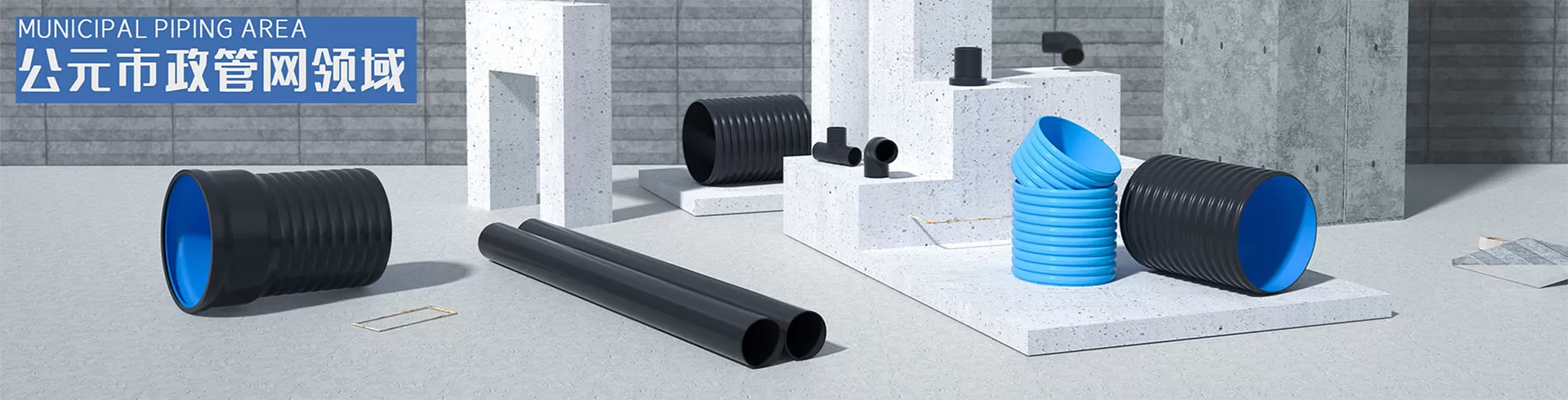
The key to enabling every village to drink water with confidence lies in whether the end of the water pipeline can be truly connected. In undulating mountainous areas, traditional pipes are often difficult to maintain a stable water supply for a long time due to terrain extrusion, day and night temperature difference and long-distance transportation losses. With the solid progress of drinking water projects, PE water supply pipes made of polyethylene are becoming an ideal choice for improving water supply pipelines in remote villages due to their lightness, flexibility and corrosion resistance.
The biggest challenge in laying pipelines in mountainous areas is the complex terrain. The path that goes up the mountain, the hard rock layers and the soft soil foundation are staggered, and the pipeline needs to follow the terrain and meander forward. The PE water supply pipe has good flexibility and can adapt to a certain degree of axial settlement and lateral displacement. It can be naturally bent and laid without a large number of elbow connectors, which greatly reduces the risk of joint leakage. At the same time, its inner wall is smooth and does not scale, and the water transmission resistance is small. In the gravity artesian water diversion project, it can effectively ensure the end water flow, so that the water from the high water source can reach the low village group smoothly.
Convenient construction is another important guarantee. Compared with bulky metal pipes or cement pipes, PE water supply pipes can be coiled and transported, and the length of a single root can be flexibly adjusted. It can be completed by human handling on mountain trails, reducing the dependence on large machinery and reducing the damage to vegetation along the line. The hot-melt butt or electrofusion connection process is mature, and the interface forms an integrated structure, and the strength is even higher than the pipe body. From the root, the problem of interface disconnection and hidden leakage wasting water is eliminated. This is of great significance to the mountainous areas where water resources are already precious.
In terms of hygienic performance, PE water supply pipes that meet national standards are made of non-toxic raw materials, which do not rust or breed algae, ensuring that the water quality is not polluted twice during long-distance transportation. The low temperature impact resistance of the pipes is also particularly prominent. Even in the alpine mountains in winter, it will not be brittle due to water freezing and expansion, ensuring uninterrupted water supply throughout the year.
From the water source diversion dam to the cistern, and then from the cistern to each household, a PE water supply pipe goes over the mountains and sends the clear mountain spring water into the stove steadily. The landing of this people's livelihood project not only shortens the water intake distance, but also shortens the connection between remote village groups and modern life. Scientific material selection, standardized construction, and long-term maintenance make the mountain water supply pipeline truly a reassuring project to moisten the rural soil.


