
 简体中文
简体中文 Русский
 لالعربية
 Bahasa Melayu
 Tiếng Việt
 Bahasa Indonesia
 Українська
 Español
 Deutsch
 Français
 رسی
رسی ไทย
ไทย Português
 Nederlands
 Türkçe
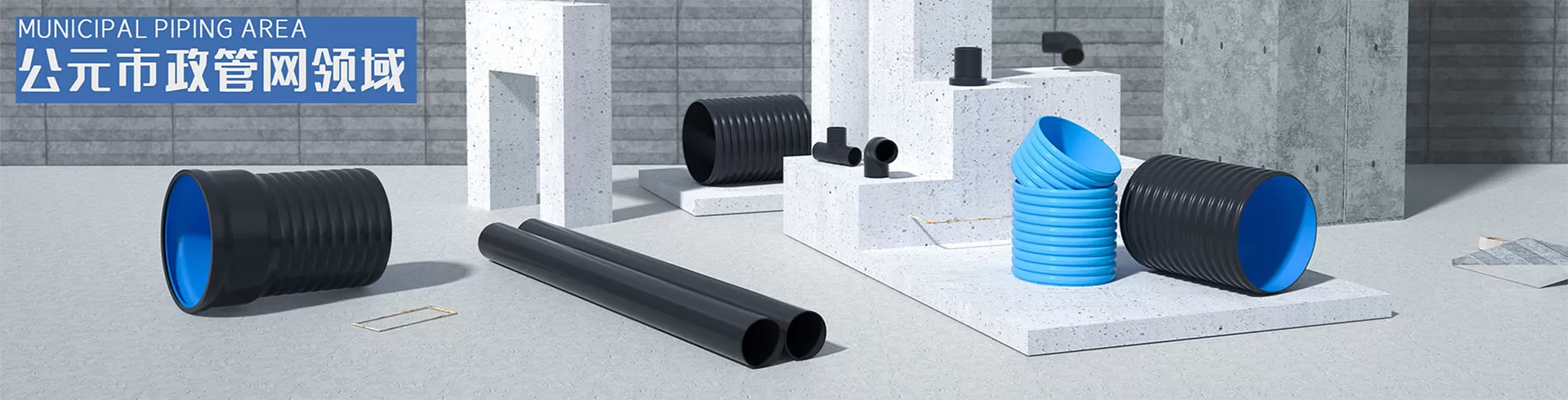

With the acceleration of the integration process of the metropolitan area, the construction of sponge towns has become one of the core directions of infrastructure upgrades in the area. Sponge towns focus on natural accumulation, natural infiltration, and natural purification, aiming to enhance the city's ability to cope with rainwater, alleviate waterlogging problems, and improve the ecological environment. As a key component of the drainage system, plastic rainwater pipes are helping to achieve this goal efficiently with their own characteristics. Compared with traditional pipes, plastic rainwater pipes have many advantages that are suitable for the needs of sponge towns. It has strong corrosion resistance, can resist the erosion of various acid and alkali substances in rainwater and soil, has a longer service life, and reduces post-maintenance costs. Its lightweight characteristics make transportation and construction more convenient, especially in the infrastructure of dense areas in the metropolitan area, which can greatly shorten the construction period and reduce the impact on the lives of surrounding residents. At the same time, the inner wall of the plastic rain water pipe is smooth and the drainage resistance is small, which can improve the efficiency of rainwater discharge and better match the requirements of "rapid waterlogging and effective water storage" in sponge towns. In the specific scenario of the infrastructure of the area, the plastic rain water pipe is widely used in road drainage, residential green space seepage drainage, municipal pipe network transformation and other links. It can form a synergistic effect with the permeable pavement and sunken green space of sponge towns to quickly collect and divert rainwater, or introduce it into the reservoir to realize resource utilization, and further strengthen the sponge efficiency of the area. With the continuous advancement of the construction of sponge towns in the metropolitan area, the plastic rain water pipe will become an important help for the implementation of infrastructure in the area by virtue of its reliability and adaptability, and contribute to the creation of a resilient and livable metropolitan area ecological environment.


