
 简体中文
简体中文 Русский
 لالعربية
 Bahasa Melayu
 Tiếng Việt
 Bahasa Indonesia
 Українська
 Español
 Deutsch
 Français
 رسی
رسی ไทย
ไทย Português
 Nederlands
 Türkçe
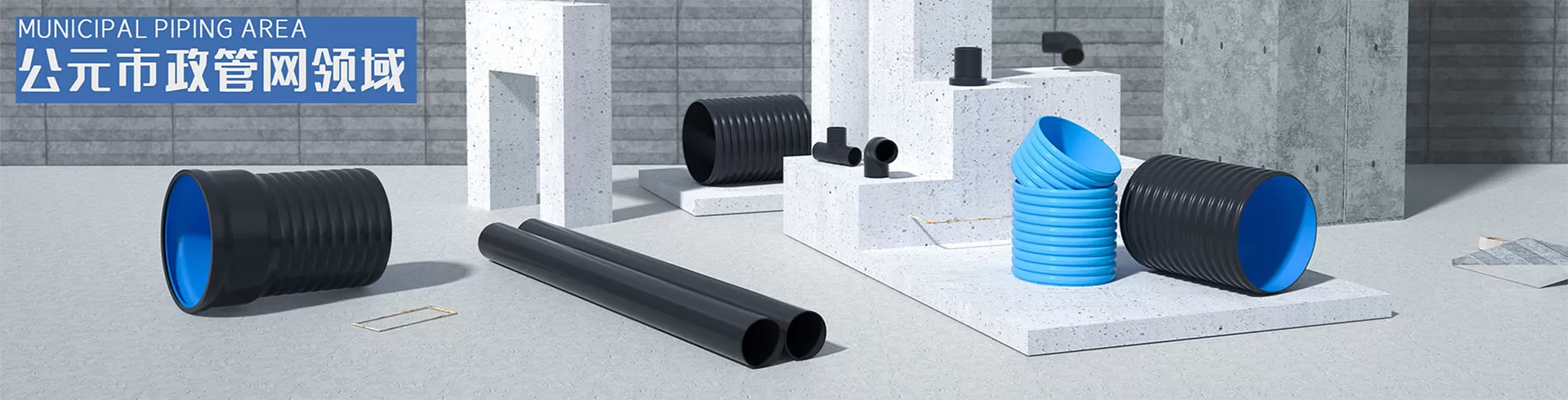
DN100-DN200 steel mesh skeleton pipe core specifications
DN100 to DN200 is the most frequently used steel mesh skeleton pipe specification range in the current engineering field, covering the flow demand of most municipal, civil and industrial transportation scenarios. Among them, the nominal pressure of DN100 specification usually covers 1.0MPa to 1.6MPa, the wall thickness is between 10mm and 12mm, and the ring stiffness can generally reach SN8 and above. It is suitable for small flow transportation scenarios such as community branch pipe network, green water supply, and small fire pipelines. The nominal pressure of DN150 specification covers 1.0MPa to 2.0MPa, and the wall thickness is between 12mm and 14mm. It is suitable for medium flow scenarios such as municipal secondary pipes, industrial wastewater transportation, and medium-sized community main water supply pipes. The nominal pressure of DN200 specification covers 1.0MPa to 2.5MPa, and the wall thickness is between 14mm and 16mm. It is suitable for large flow and high pressure demand scenarios such as municipal trunk pipes, long-distance water transportation, and chemical raw material transportation.
The performance adaptation advantages of this range specification
Compared with ordinary PE pipes of the same diameter, DN100 to DN200 steel mesh skeleton pipes have a pressure-bearing capacity enhancement of more than 30%, more outstanding anti-settlement and tensile properties, and are suitable for construction scenarios with large terrain fluctuations and complex geological conditions. The inner wall of the pipe has extremely low smoothness and roughness, no scaling for long-term use, and the conveying efficiency is about 20% higher than that of the same diameter steel pipe; it is resistant to acid and alkali corrosion, and does not need additional anti-corrosion treatment. The normal buried service life can reach 50 years. At the same time, the weight is only 1/6 of the same diameter steel pipe, and the transportation and lifting difficulty is low, which can effectively reduce the comprehensive cost of the project.
.jpg "DN100-DN200 steel mesh skeleton pipe, commonly used specifications for engineeringthe1page")
Key points for engineering selection and construction
When selecting the type, it is necessary to combine the properties of the conveying medium, the buried depth of the pipeline, and the long-term working pressure to match the corresponding parameters of the product. For example, for pipelines with a buried depth of more than 3 meters, the specifications of ring stiffness SN10 and above should be selected, and for conveying corrosive chemical media, special modification-resistant models should be selected. Electric fusion connection is preferred during construction. Oil and sediment should be cleaned at the interface in advance. The welding temperature should be controlled between 210 ° C and 230 ° C. Pipes should not be moved during cooling. When laying in the ground, a fine sand cushion of 10cm to 15cm should be laid first. When backfilling, sharp stones and construction waste should be avoided to prevent scratches on the pipe wall from affecting the service life.
At present, DN100 to DN200 steel mesh skeleton pipes have become the mainstream selection of most water conveyance projects. Reasonable matching of specifications and standardized construction processes can give full play to the long-term use value of pipes.


