
 简体中文
简体中文 Русский
 لالعربية
 Bahasa Melayu
 Tiếng Việt
 Bahasa Indonesia
 Українська
 Español
 Deutsch
 Français
 رسی
رسی ไทย
ไทย Português
 Nederlands
 Türkçe
.jpg "Steel bellows compared to cement pipes, the difference between construction and service lifethe1page")
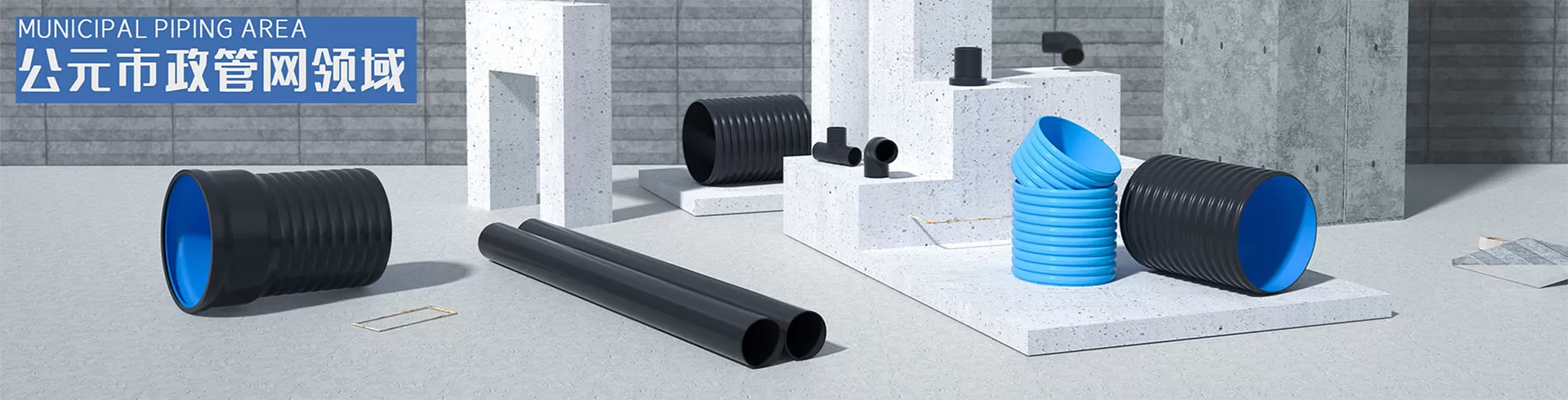
In municipal drainage, sewage and farmland irrigation engineering scenarios, steel bellows and cement pipes are two types of widely used pipeline materials. Many project leaders are often torn around the two core dimensions of construction difficulty and service life when selecting models. From the perspective of construction, the difference between the two is significant. Steel bellows are made of polyethylene and steel strip composite process. The single pipe is light in weight and generally longer in length. There is no need for heavy vehicles during transportation, and only small equipment can be used for on-site hoisting. The connection is mostly made of socket sealing or hot melt docking process, which is easy to operate, has low requirements for the construction site, and can be efficiently advanced in narrow areas or soft soil foundations. The overall construction period is short. The cement pipe is a rigid prefabricated component, which is self-weight and short in length. It relies on heavy machinery for transportation and hoisting. During installation, it is necessary to pour the foundation cushion in advance and seal the mortar wipe mouth. The process is cumbersome, and the requirements for the flatness of the construction site are high. It not only takes a long time, but also greatly increases the construction difficulty under complex working conditions. Looking at the service life dimension, the composite structure of the steel belt bellows makes it both resistant to corrosion of plastics and rigid steel belts, which can resist the erosion of acid and alkali media in soil and sewage. At the same time, it has good anti-settlement and anti-cracking properties. Under normal use conditions, the service life can reach decades. Cement pipes have weak corrosion resistance due to material characteristics. Long-term contact with corrosive media is prone to pipe wall corrosion, cracking and leakage, and rigid structures are prone to fracture in geological settlement areas, resulting in relatively short service life. In summary, the engineering side needs to choose suitable pipeline materials based on actual needs such as construction conditions and use environment.


